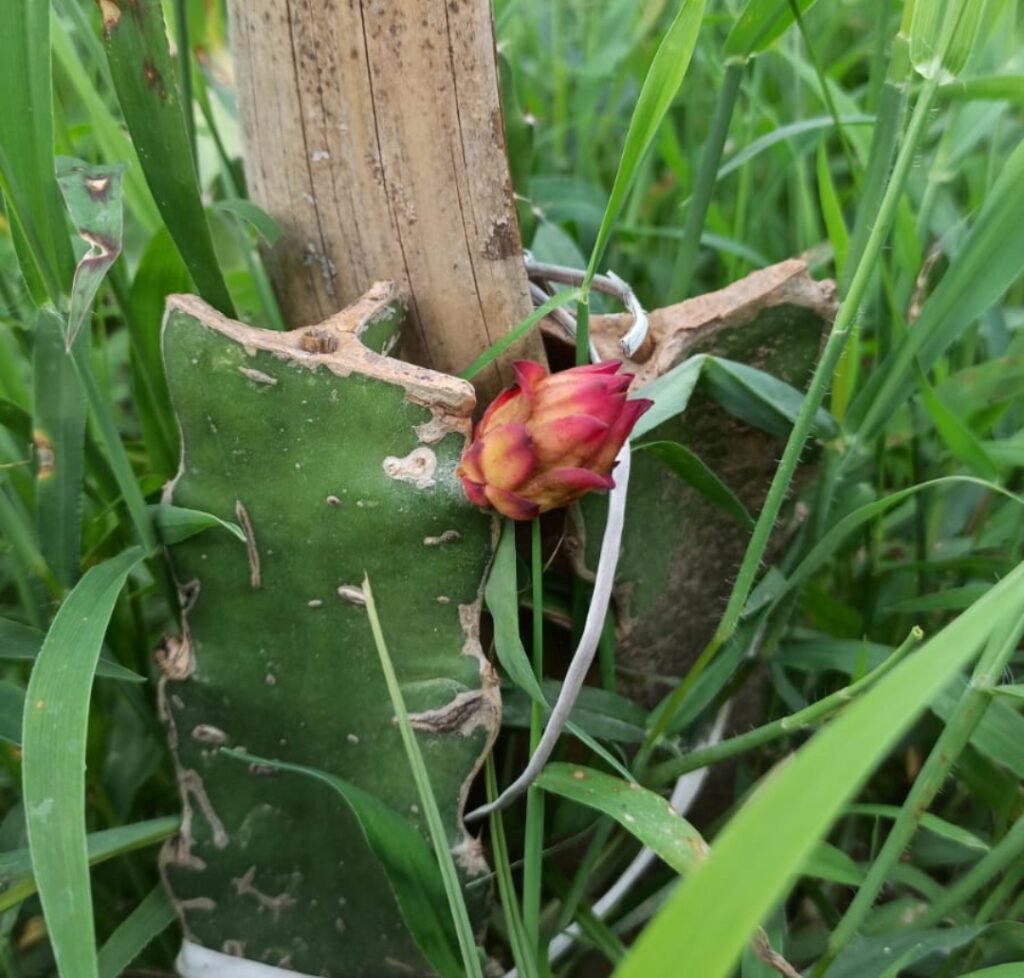
If you are growing dragon fruit, you already know the excitement of seeing the first buds appear on the branches after months of waiting. But then, without any warning, some of those buds turn yellow and fall off before they even open. Later, even after a flower opens beautifully at night, the fruit that should have formed never shows up, or it drops off after a few days. This is one of the most common worries shared in every dragon fruit farming group, and it has a name: dragon fruit flower drop. Along with it comes a second, closely related problem that confuses growers even more, where the young fruit itself falls off after pollination has already happened.
The good news is that some amount of dropping is completely normal and is not a disease or a mistake on your part. The real skill is learning to tell normal dropping apart from a genuine problem and knowing exactly what to do about it. This article breaks down both issues in plain language, so that by the end you will know why your plant is dropping flowers or fruits, and what steps to take in your own farm this season.
Why Dragon Fruit Drops So Many Flowers Naturally
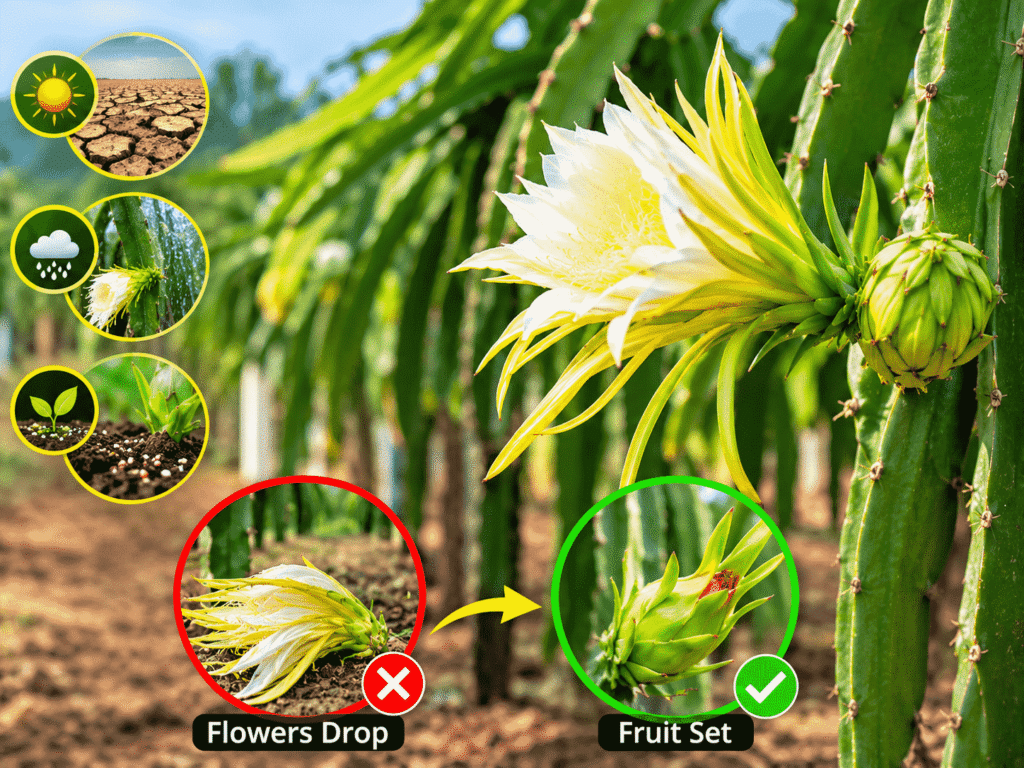
Dragon fruit is not like a mango or guava tree that flowers once and holds on to almost every fruit. A single healthy branch can push out five, six, or even more buds close together during one flowering flush. This is simply how the plant reproduces in nature. It is putting out many buds so that at least a few of them survive, get pollinated, and turn into fruit.
Out of all these buds, the plant decides how many it can actually support with the energy, water, and nutrients it has. So it sheds the weaker buds early, usually within the first few days after they appear. If two or three small buds turn slightly yellow and fall off a cluster of six or seven, while the rest keep growing steadily, this is not something to worry about. It is simply the plant balancing its own load.
The trouble starts when the dropping goes beyond this normal thinning. If half or more of the buds on a branch are falling, if buds that were already looking healthy and large suddenly turn soft and drop, or if this happens flush after flush without improvement, then something else is going on. That is when you are dealing with a real case of dragon fruit flower drop that needs attention, and it is worth working through the causes one by one.
The Real Causes Behind Excess Flower Drop
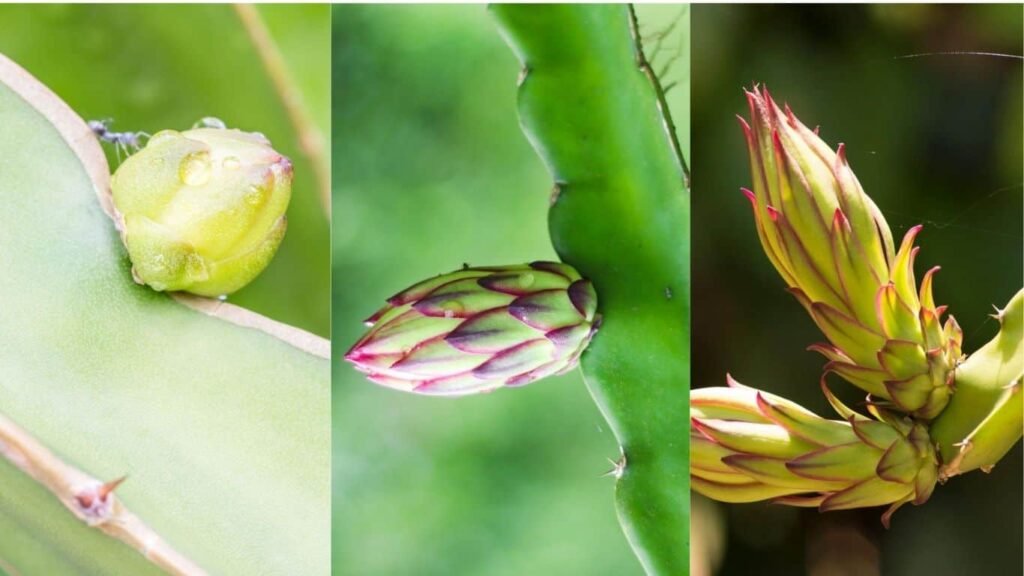
When dragon fruit flower drop crosses beyond the normal level, it is almost always connected to one of these four things: plant stress, general nutrition shortage, a lack of specific micronutrients like boron, or a lack of calcium. Let us go through each one.
1. Plant Stress
Dragon fruit plants react quickly to sudden changes around them. A sharp jump in temperature, several very hot afternoons in a row, sudden heavy watering after a dry spell, or moving and pruning the plant close to flowering time can push it into stress. Under stress, the plant protects itself by shedding buds it cannot support. Growers often notice this after an unexpected heatwave or after a long dry gap followed by flooding the beds all at once.
2. General Nutrition Shortage
If the plant has been fed only nitrogen-heavy fertilizer for a long stretch, without enough phosphorus, potassium, or trace elements, it may produce plenty of green growth but weak, poorly supported flowers. A plant running low on overall nutrition simply does not have the reserves to carry all its buds to full bloom, and this shows up as flower drop across many branches at once, not just one or two weak ones.
3. Boron Deficiency
Boron plays a very specific role in flowering plants. It helps in pollen formation, helps the pollen tube grow properly during pollination, and supports the transport of sugars from the leaves to the developing flower. When boron is missing, buds may form normally but then fail to develop further, turning yellow and dropping before they open. Sandy soils, soils that have been heavily limed, and soils that dry out often are usually the ones where boron shortage shows up first.
4. Calcium Deficiency
Calcium is what gives strength to the cell walls inside the bud and the young fruit. Without enough calcium, the tissue holding the bud onto the branch becomes weak, and the bud detaches easily, sometimes with just a light breeze or a splash of water. This is one of the most overlooked reasons for flower and even fruit drop in dragon fruit, because the symptoms look similar to nutrition shortage in general, but the fix is very specific.
5. Other Micronutrient Gaps
Beyond boron and calcium, shortages of zinc, magnesium, or manganese can also weaken flowering. Zinc supports hormone balance inside the plant that controls how many flowers are retained. Magnesium is the core of the chlorophyll molecule, so a shortage reduces the plant’s overall energy production, indirectly affecting how many buds it can support. Manganese assists several enzyme processes involved in flower development. None of these usually cause dropping on their own the way boron or calcium do, but a combined shortage adds up quickly.
Which Nutrient Helps With What: A Simple Breakdown
Growers often ask which fertilizer or spray actually helps reduce dragon fruit flower drop. Here is a simple, practical breakdown of what each nutrient does for flowering:
- Boron – Supports pollen formation and pollen tube growth, and helps move sugars into the developing bud. A light foliar spray of boron just before and during the flowering flush is one of the most effective single fixes for bud drop.
- Calcium – Strengthens the cell walls at the base of the bud and fruit, reducing the chance of it detaching early. Calcium nitrate or calcium chloride sprays work well when applied a week or two before flowering starts.
- Potassium – Improves overall fruit size, sweetness, and the plant’s ability to move water and nutrients to the fruit once it has set. Low potassium often shows up as smaller, lighter fruit rather than dropping, but a shortage during flowering still weakens bud retention.
- Phosphorus – Supports root development and energy transfer within the plant, which indirectly supports strong, well-formed buds rather than thin, weak ones.
- Nitrogen – Needed in balanced amounts for healthy green growth, but excess nitrogen right before flowering can actually push the plant toward more vegetative growth and away from flower support, worsening drop.
- Zinc and Magnesium – Support hormone balance and energy production respectively, helping the plant hold on to more of its buds through the full flowering cycle.
A simple way to picture the whole cycle looks like this:
Bud forms  →  Natural thinning (normal, a few buds drop)
     ↓
Remaining buds grow  →  If stressed / low on boron or calcium  →  Excess drop (problem)
     ↓
Flower opens at night  →  Pollination window (a few hours only)
     ↓
If pollination succeeds  →  Fruit sets and develops
If pollination fails (rain, too many fruits, poor pollen transfer)  →  Flower turns yellow, drops
This diagram is worth keeping in mind, because flower drop and fruit drop happen at two completely different stages, and the fix for one is not the same as the fix for the other.
Why Fruit Drop Happens After the Flower Has Already Opened
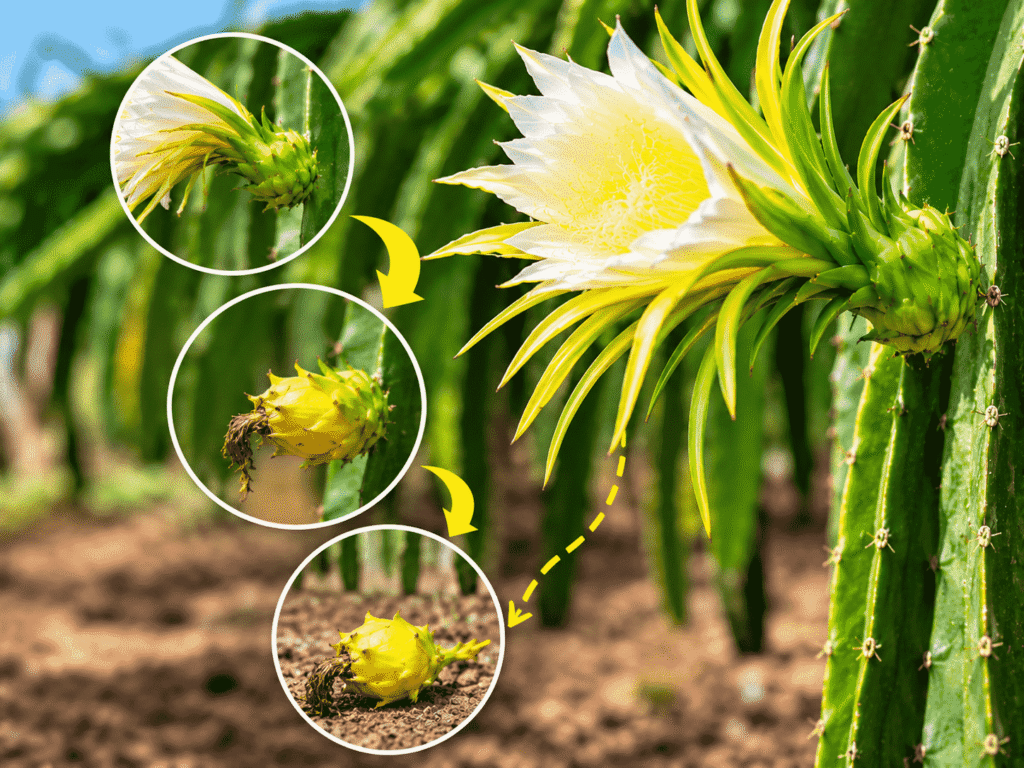
This second stage confuses a lot of growers because the flower looked perfect the night before, huge and fragrant, and yet a few days later it turns yellow and falls off without any fruit forming. Most of the time, this is not a nutrient issue at all. It comes down to one thing: incomplete pollination.
Dragon fruit flowers open only at night and stay open for a short window, usually closing again before or soon after sunrise. Pollination has to happen during that narrow window. This is exactly where a common dragon fruit pollination problem shows up. If it rains during the night the flower is open, the moisture washes away the pollen before insects, bats, or moths can transfer it, and even in self-pollinating varieties the pollen can get too wet or clumped to fertilise the flower properly. Once pollination fails, the flower has no reason to stay on the plant, so it turns yellow and drops within a few days.
This is one of the most frustrating parts of dragon fruit farming because it is completely weather-dependent and can happen even to a perfectly healthy, well-fed plant. A single rainy night during peak flowering can cause noticeably lower fruit set for that entire flush, even though nothing was wrong with the plant itself. Understanding this particular dragon fruit pollination problem is important, because many growers waste time changing fertilizer schedules when the real issue on those nights was simply the weather, not nutrition.
Too Many Fruits on One Branch
Another cause of fruit drop, separate from the pollination issue, is simple overload. If a single branch is carrying more flowers or young fruits than it can support with its available energy and nutrients, the plant will naturally shed some of them, usually the weakest or latest-formed ones, to protect the rest. This is the plant’s own way of thinning its load, similar to what happens with excess buds, except this time it happens after fruit has already started to set. Growers who leave every single fruit on a branch, instead of removing a few extra ones early, often see this kind of drop later in the season.
Step-by-Step: How to Prevent Flower Drop and Fruit Drop
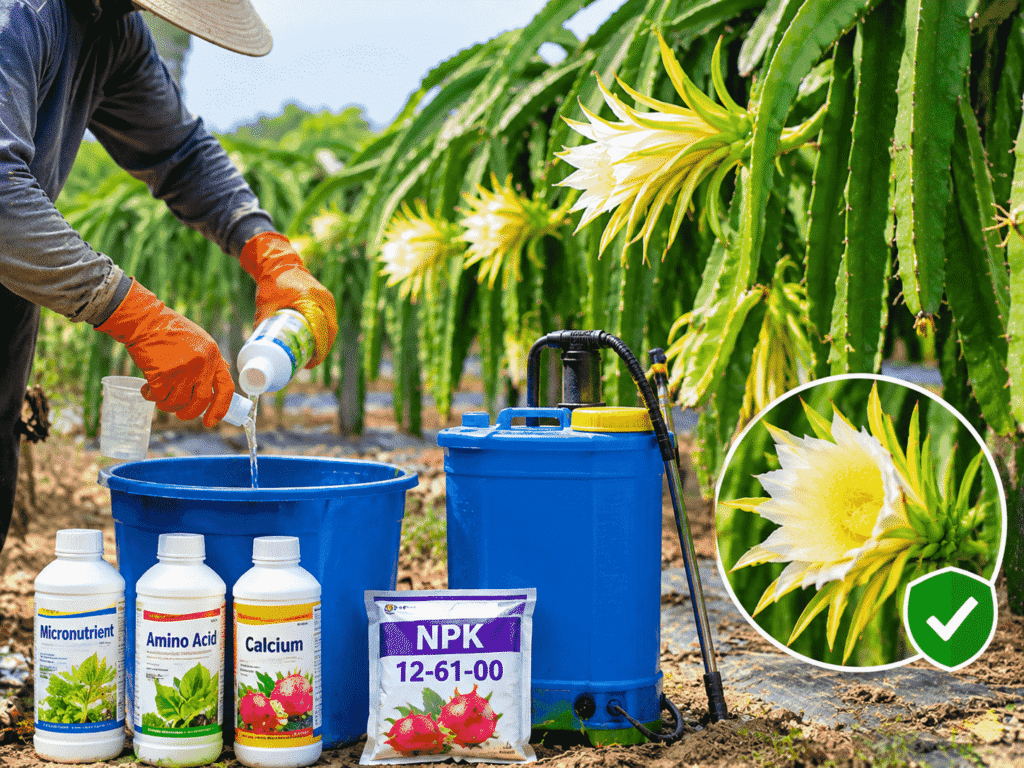
Here is a practical routine you can follow through a flowering season to reduce both types of drop.
- Watch the weather before each flowering flush. Dragon fruit tends to flower in predictable cycles through the season. Once you notice buds forming, start checking the forecast for rain on the nights they are expected to open.
- Cover flowers before they open on rainy nights. If rain is expected on the night a flower is due to bloom, tie a thin plastic sheet, a rubber cap, or even a small breathable cover loosely over the bud before it opens. This keeps the pollen dry and protects the open flower from rain long enough for pollination to succeed, even in varieties that are supposed to self-pollinate, since rain can wash away or clump the pollen before it has a chance to work. This single step solves the most common dragon fruit pollination problem growers face during the monsoon flowering flushes.
- Hand pollinate on risky nights. On nights with rain or very high humidity, take a soft brush and transfer pollen from the flower’s own anthers to its stigma, or between two open flowers if you are growing more than one variety. Doing this soon after the flower opens, before any rain starts, greatly improves the chances of a fruit setting even if natural pollination would have failed.
- Start a boron and calcium spray schedule. Apply a light foliar spray containing boron about ten days before the expected flowering flush, and a separate calcium spray around the same time or a week before flowering starts. This combination directly addresses the two most common nutrient causes of dragon fruit flower drop.
- Balance the overall fertilizer program. Avoid heavy nitrogen doses right before flowering. Shift toward a more balanced mix with potassium and phosphorus as buds begin to form, so the plant channels energy into flower support rather than pure leaf growth.
- Reduce stress around flowering time. Keep watering consistent rather than letting the soil dry out completely and then flooding it. Avoid heavy pruning, transplanting, or disturbing the roots in the two to three weeks before and during a flowering flush.
- Thin out excess buds and fruits early. If a branch is carrying far more buds or young fruits than it can reasonably support, remove a few of the weakest ones early on purpose. This sounds counterintuitive, but it means the plant is not forced to drop them later on its own, and the fruits that remain grow larger and healthier.
- Keep a simple flowering log. Note down the date each flush opens, whether it rained that night, whether you hand pollinated, and how many fruits actually set. Over one or two seasons, this log will show you exactly which nights and conditions cause the most dragon fruit pollination problem cases on your own farm, so you can plan covers and hand pollination more precisely next time.
Following this routine will not remove every case of dropping, since some natural thinning is expected and even healthy for the plant, but it will noticeably cut down the excess drop caused by weather, nutrient gaps, and overload.
FAQ
1. Is it normal for dragon fruit buds to fall off on their own?
Ans- Yes. A plant that produces many buds in one cluster will usually shed a few of the weaker ones on its own within the first several days. This is natural thinning, not real dragon fruit flower drop.
2. How do I know if my dragon fruit flower drop is a real problem?
Ans- If more than a third to half of the buds on a healthy branch are dropping, or if large, already well-formed buds are falling, it points to stress or a nutrient gap rather than normal thinning. Sometimes what looks like plain flower drop is actually a delayed dragon fruit pollination problem, where the flower stays on a day or two longer before turning yellow and falling.
3. What is the most common cause of dragon fruit fruit drop after flowering?
Ans- A dragon fruit pollination problem is the most common cause, often triggered by rain during the short night-time window when the flower is open.
4. Why does rain affect dragon fruit pollination so much?
Ans- The flower opens only at night for a few hours, and rain during that window washes away or clumps the pollen, preventing it from reaching the stigma properly. This is the classic dragon fruit pollination problem even in self-pollinating types.
5. Can dragon fruit self-pollinate without any help?
Ans- Many varieties can self-pollinate, but this still needs dry, calm conditions during the short flowering window. Rain or very high humidity can block even self-pollination from completing.
6. Does boron deficiency really cause flower drop in dragon fruit?
Ans- Yes. Boron supports pollen formation and sugar movement into the bud. A shortage often shows up as buds that stop developing and drop before they open.
7. What does calcium do for dragon fruit flowers?
Ans- Calcium strengthens the tissue that attaches the bud or young fruit to the branch. Low calcium makes this attachment weak, so buds and fruits detach more easily.
8. Should I stop using nitrogen fertilizer before flowering?
Ans- Not stop completely, but reduce it. Too much nitrogen right before flowering pushes the plant toward leafy growth instead of supporting the buds.
9. How many fruits should I leave on one dragon fruit branch?
Ans- This depends on branch strength and plant age, but leaving fewer, stronger fruits by removing a few extra ones early usually gives better size and reduces later drop.
10. Can hand pollination really save a flower during rain?
Ans- Yes, if done as soon as the flower opens and before rain starts. Transferring pollen manually with a soft brush can complete pollination even when natural transfer would have failed.
11. What time of night does dragon fruit flower actually open?
Ans- Most varieties open in the evening after sunset and stay open through part of the night, closing again by early morning, though exact timing varies with variety and weather.
12. Does covering the flower with plastic or rubber actually help?
Ans- Yes, a light cover placed before the flower opens on a rainy night keeps the pollen dry, which directly improves the chances of successful pollination.
13. Can heat stress cause dragon fruit flower drop too?
Ans- Yes, sudden heatwaves or several very hot days in a row can push the plant into stress, causing it to shed buds it cannot support at that time.
14. Is yellow flower on dragon fruit always a sign of drop?
Ans- Mostly yes. Once a bud or open flower starts turning yellow, it has usually already failed to develop further and will drop within a few days.
15. How soon before flowering should I apply boron and calcium sprays?
Ans- A general guide is around ten days before the expected flowering flush for boron, and about a week before for calcium, though local conditions can shift this slightly.
16. Can overwatering or underwatering cause flower drop?
Ans- Both extremes can. Long dry spells followed by heavy watering create sudden stress, which the plant reacts to by shedding some of its buds.
17. Do different dragon fruit varieties have different drop rates? Yes, some varieties are naturally more prone to shedding extra buds, and self-pollinating varieties tend to handle poor weather slightly better than cross-pollinating ones.
18. What is the difference between flower drop and fruit drop in dragon fruit?
Ans- Dragon fruit flower drop happens before or during blooming and is often linked to stress or nutrient shortage. Fruit drop happens after the flower has opened and is mostly a dragon fruit pollination problem or the result of overload on the branch.
19. Can I use any fertilizer as a source of calcium and boron?
Ans- Look for products specifically labelled for calcium and boron content, such as calcium nitrate or borax-based sprays, since general fertilizers often carry very little of either.
20. How can I track whether my prevention steps are actually working?
Ans- Keep a simple log each flowering flush noting the weather, whether you covered or hand pollinated the flowers, and how many fruits actually set, then compare it flush to flush over the season.
Final Thoughts
Once you separate the two issues in your mind, everything gets a lot easier to manage. A little bit of dragon fruit flower drop during natural thinning is nothing to worry about, and it happens on every healthy vine. What actually deserves your attention is excess bud loss caused by stress or a missing nutrient like boron or calcium, and a dragon fruit pollination problem on rainy flowering nights that stops the fruit from setting in the first place. Once you start covering flowers before rain, hand pollinating on risky nights, and running a proper boron and calcium spray schedule, you will notice fewer buds turning yellow and far more of your flowers turning into full-sized dragon fruit by the end of the season.