
Dragon fruit has rapidly emerged as one of the most promising fruit crops for modern agriculture. Once considered an exotic fruit available only in supermarkets, it is now being cultivated successfully across many parts of India. Growing consumer awareness, increasing demand for healthy foods, and attractive market prices have encouraged thousands of farmers to adopt dragon fruit cultivation as a profitable farming business.
The plant belongs to the cactus family (Cactaceae), making it different from most conventional fruit crops. It is well known for its ability to tolerate dry conditions while producing nutritious and visually attractive fruits. Dragon fruit is rich in dietary fiber, antioxidants, vitamin C, iron, magnesium, and several other essential nutrients, which is why it is often classified as a superfruit. As health-conscious consumers continue to include it in their diets, the market demand has increased significantly over the last few years.
Apart from its nutritional value, dragon fruit farming in India has gained popularity because of its commercial potential. Once the plantation reaches full production, it can continue producing fruits for many years (20+) with proper management. Farmers who follow scientific cultivation practices, maintain healthy plants, and market their produce effectively can generate attractive returns compared to many traditional fruit crops.
Today, dragon fruit farming is no longer limited to a few experimental farms. Commercial plantations are expanding throughout the country, and cultivation practices continue to improve as more farmers gain practical experience under different climatic conditions.
What is Dragon Fruit?
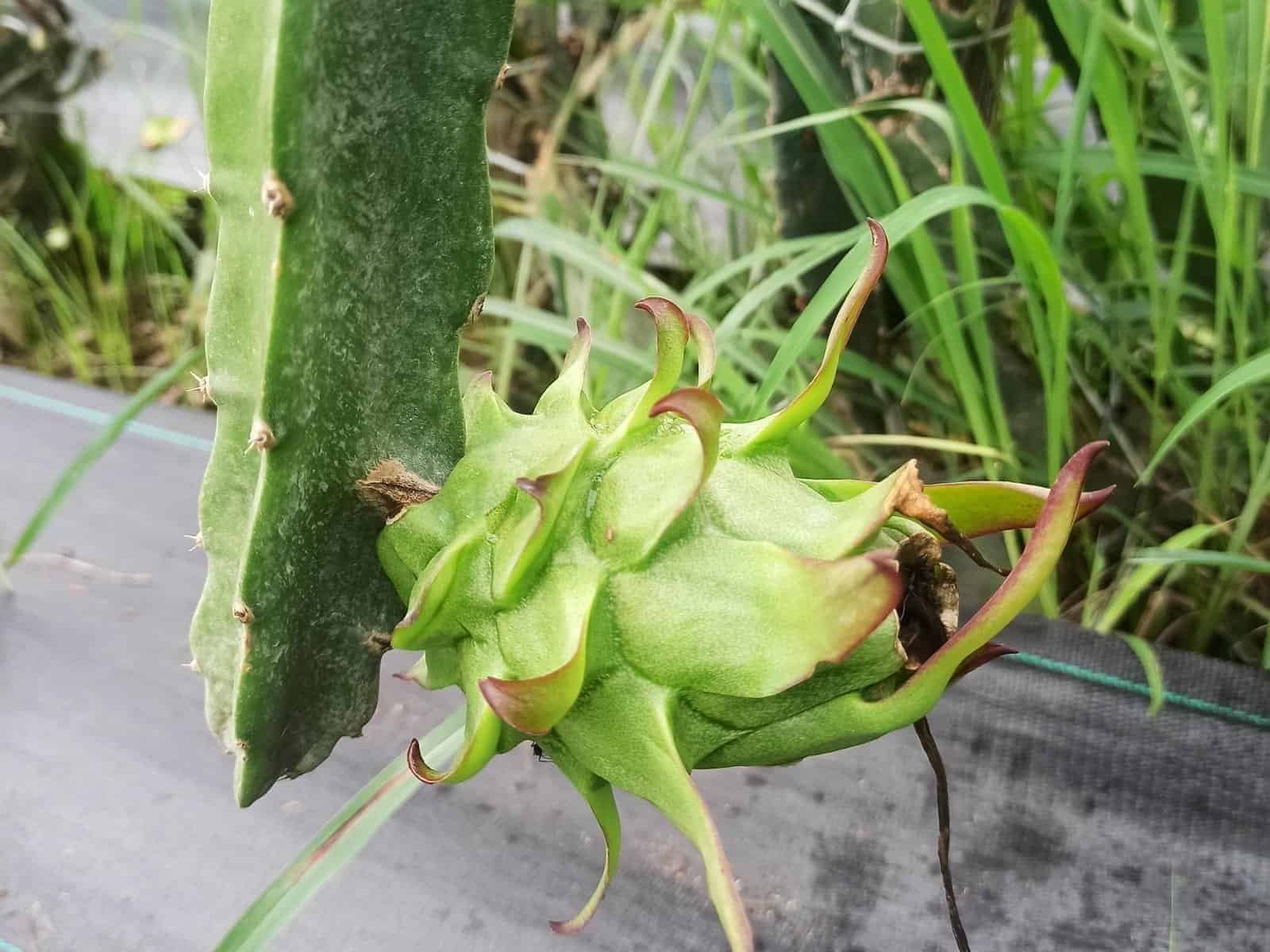
Dragon fruit is a perennial climbing cactus scientifically known as Selenicereus undatus and related species. Unlike ordinary fruit plants, it grows by climbing on a support structure and develops long, fleshy green stems that perform photosynthesis instead of leaves.
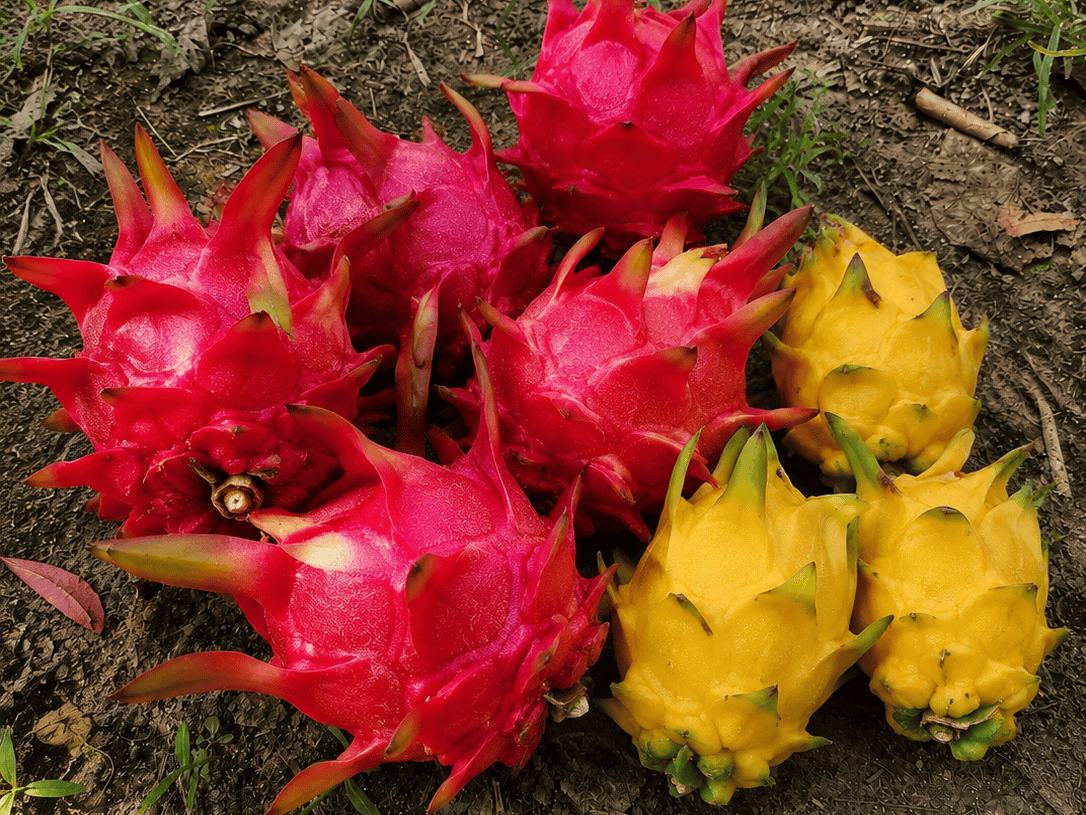
The fruit is easily recognized by its bright, colorful appearance and unique scales on the outer skin, which give it a dragon-like appearance. Depending on the variety, the flesh may be white, red, deep purple, or yellow, with hundreds of tiny edible black seeds distributed throughout the pulp.
One of the biggest advantages of this crop is its long productive life. A well-managed plantation can continue producing fruits for 20 years or even longer under suitable conditions. Once the plants become mature, they flower and fruit multiple times during the production season, allowing farmers to harvest several flushes in a single year.
Dragon fruit plants require comparatively less water than many traditional fruit crops because of their cactus nature. However, this should not be misunderstood as the crop requiring no irrigation. Balanced watering, proper drainage, and scientific nutrient management are essential for maintaining healthy plants and achieving high-quality fruit production.
Why dragon fruit farming in India becomes popular?
A decade ago, dragon fruit was cultivated only on a limited scale in a few regions of India. States such as Gujarat, Maharashtra, Karnataka, Tamil Nadu, and West Bengal were among the early adopters of commercial cultivation because their warm climate was naturally suitable for this tropical crop.
Today, the situation has changed considerably. Farmers from many northern states have started experimenting with dragon fruit cultivation after observing its commercial success in other regions. Improved farming techniques, better planting material, drip irrigation systems, and suitable management practices have made it possible to grow the crop successfully even in areas that experience greater seasonal temperature variations.
Our own farm in Himachal Pradesh is an example of this changing trend. Although Himachal is not traditionally considered a tropical fruit-growing state, practical field experience has shown that dragon fruit cultivation is possible when the correct variety is selected and the plantation is managed scientifically. Proper bed preparation, healthy soil conditions, balanced irrigation, and seasonal crop management play a major role in helping plants adapt to local environmental conditions.
This demonstrates an important fact for new growers: successful cultivation depends not only on climate but also on adopting the right farming practices.
Climate Requirements for Dragon Fruit Farming
Climate is one of the most important factors influencing the growth, flowering, and fruit production of dragon fruit plants.
Since dragon fruit is a tropical cactus, it performs best under warm weather conditions. Generally, temperatures between 18°C and 35°C provide ideal conditions for vegetative growth and fruit production. Within this range, plants grow vigorously, produce healthy stems, and develop flowers more consistently.
Although the crop prefers warm climates, mature plants can tolerate short periods of slightly lower or higher temperatures. However, prolonged exposure to extreme weather conditions can reduce flowering, affect fruit quality, or stress the plants.
Southern Indian states naturally provide favorable climatic conditions for commercial cultivation because temperatures remain relatively stable throughout the year. Northern India, on the other hand, presents different challenges. Summer temperatures may rise above the ideal range, while winters can become much colder than what the crop prefers.
Despite these challenges, dragon fruit cultivation is now becoming increasingly successful in northern regions through improved farming practices. Proper field preparation, raised beds, efficient drainage, mulching, irrigation management, and selecting adaptable varieties help farmers reduce environmental stress on the plants.
Based on our practical observations in Himachal Pradesh, dragon fruit plants can survive and produce satisfactory yields when seasonal conditions are managed carefully. Summer heat can be handled through proper irrigation scheduling and maintaining healthy soil moisture, while winter management focuses on protecting plants from severe frost and prolonged cold conditions.
Rather than considering climate as a limitation, farmers should understand it as a management factor. With scientific cultivation practices, dragon fruit farming is gradually expanding beyond its traditional growing regions.
Suitable Regions for Dragon Fruit Farming in India
Commercial dragon fruit cultivation first gained momentum in warmer parts of India where climatic conditions naturally favored tropical fruit production.
Today, successful plantations can be found in states including:
- Gujarat
- Maharashtra
- Karnataka
- Tamil Nadu
- Telangana
- Andhra Pradesh
- West Bengal
- Odisha
In recent years, cultivation has also expanded into several northern states through adaptive farming practices. Farmers in parts of Himachal Pradesh, Haryana, Punjab, Rajasthan, Uttar Pradesh, and Uttarakhand have started growing dragon fruit with encouraging results.
Each region requires slightly different management techniques depending on local climate, rainfall patterns, soil conditions, and seasonal temperature fluctuations. Instead of following a single cultivation method everywhere, growers should adapt their management practices according to regional conditions.
This flexibility is one of the reasons dragon fruit has become an attractive crop for farmers across different parts of India.
Now let’s talk about:
- Soil requirements
- Land preparation
- Dragon fruit varieties
- Planting method
- Trellis system
- Irrigation management
- Fertilizer management
This section will be more technical and practical, with information suitable for both beginners and commercial growers.
Soil Requirements for Dragon Fruit Farming
One of the biggest advantages of dragon fruit cultivation is that the crop can grow in different soil types if proper drainage is maintained. However, not every soil provides the same level of growth and fruit production.
Dragon fruit plants dislike waterlogged conditions. Excess moisture around the root zone can reduce oxygen availability, weaken the roots, and increase the risk of fungal diseases such as stem rot and root rot. Therefore, selecting a well-drained site is far more important than choosing highly fertile land.
The ideal soil should be:
- Well-drained
- Rich in organic matter
- Loose and porous
- Free from prolonged water stagnation
A soil pH between 5.5 and 7.0 is generally considered suitable for healthy growth. If the soil is highly acidic or alkaline, corrective measures should be taken before planting.
Many farmers mistakenly believe that dragon fruit requires very fertile soil. In reality, healthy root development depends more on good aeration and drainage than excessive fertilizer application.
If your field has heavy clay soil, raised beds can significantly improve drainage and reduce disease incidence. Sandy loam and loamy soils are generally considered ideal because they allow proper root development while retaining adequate moisture.
Before establishing a commercial plantation, it is advisable to conduct a soil test. This helps determine nutrient availability and allows farmers to prepare an effective fertilizer program according to soil conditions rather than guesswork.
Land Preparation
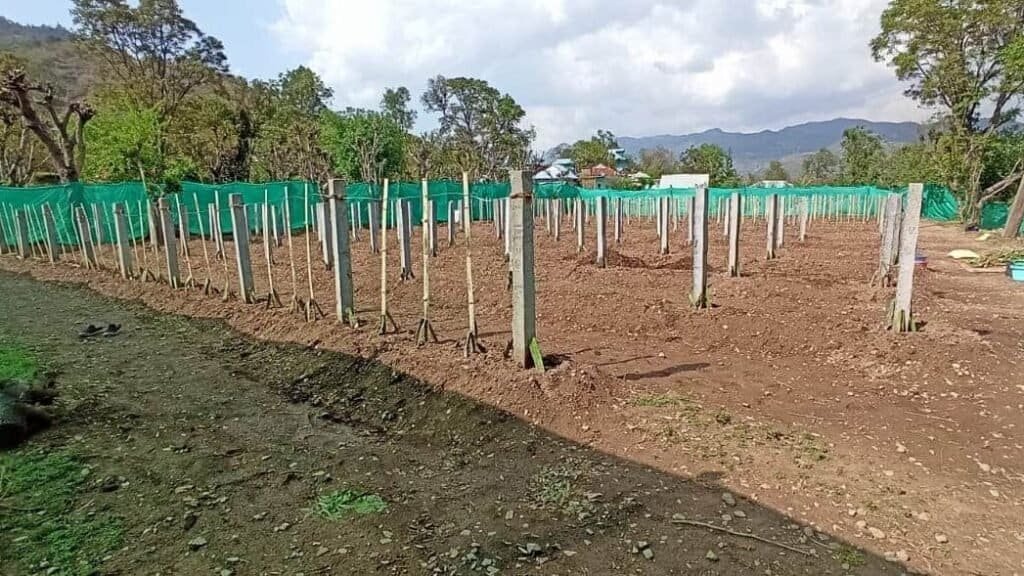
Proper land preparation creates the foundation for a healthy plantation that can remain productive for many years.
The field should first be cleaned by removing weeds, stones, old roots, and unwanted vegetation. A level field not only makes irrigation easier but also prevents uneven water accumulation after rainfall.
Unlike many traditional fruit crops where the entire field is deeply prepared, dragon fruit cultivation mainly focuses on preparing the planting beds and root zone.
Raised beds are highly recommended, especially in areas receiving heavy monsoon rainfall. They improve drainage, encourage healthy root development, and reduce the chances of fungal infections during the rainy season.
After preparing the beds, farmers can install the irrigation system before planting. Most commercial farms now prefer drip irrigation because it provides controlled watering while minimizing water wastage.
Proper land preparation also makes future maintenance activities such as fertilization, pruning, harvesting, and weed control much easier.
Dragon Fruit Varieties in India
Several dragon fruit varieties are cultivated across India, each having different fruit characteristics and market demand.
White Flesh Dragon Fruit
This is one of the oldest and most commonly cultivated varieties. The fruit has pink or red skin with white flesh containing numerous small black seeds.
Advantages:
- High productivity
- Good adaptability
- Easy cultivation
- Suitable for beginners
Red Flesh Dragon Fruit
Red flesh varieties are becoming increasingly popular because of their attractive appearance and higher antioxidant content.
Advantages:
- Attractive fruit color
- Better market demand
- Rich nutritional value
- Premium selling price in many markets
Yellow Dragon Fruit
Yellow dragon fruit has bright yellow skin and white flesh. Although its fruits are usually smaller, they are known for their exceptional sweetness.
Advantages:
- Excellent taste
- Premium market value
- Attractive appearance
However, commercial planting material is comparatively less available in India.
Royal Red and Improved Hybrid Varieties
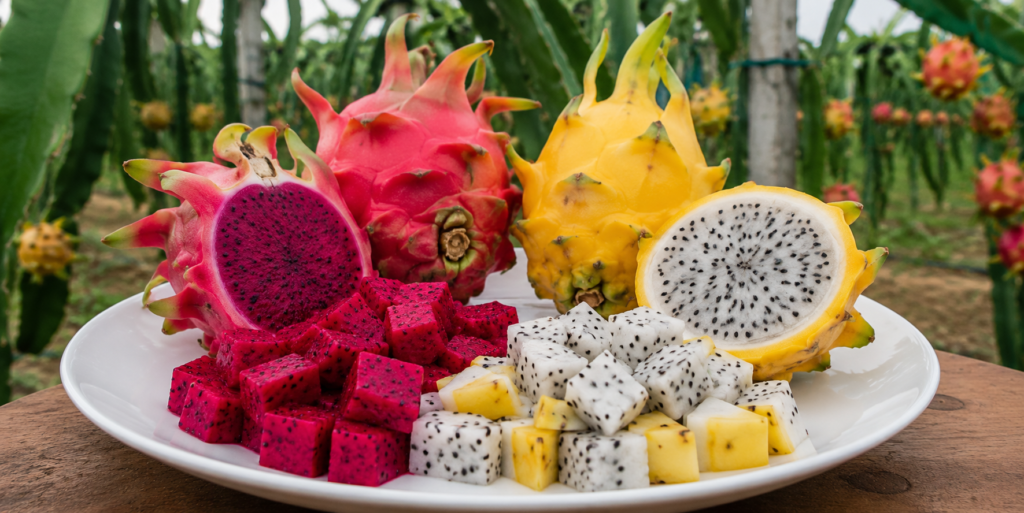
Several commercial farms now cultivate improved red-flesh selections that offer better fruit size, attractive color, and higher yields under proper management.
The choice of variety should depend on:
- Local climate
- Market demand
- Availability of quality planting material
- Farmer’s long-term business objectives
Healthy planting material always plays a greater role in plantation success than simply choosing a popular variety.
Planting Method
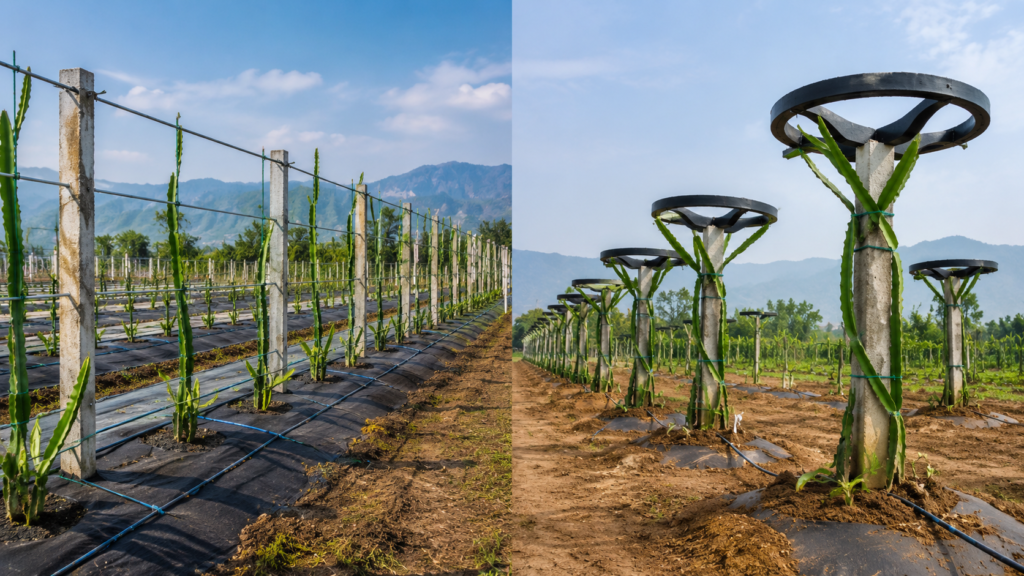
Proper planting is essential for establishing a strong plantation that remains productive for many years.
The best planting season varies according to the region. In most parts of India, planting is preferred when environmental conditions are favorable for root establishment and vegetative growth.
Each support pole generally accommodates multiple plants depending on the training system being followed. The spacing between poles should allow sufficient sunlight penetration, air circulation, and easy movement for farm operations.
Overcrowding should always be avoided because poor ventilation increases humidity around the plants and encourages disease development.
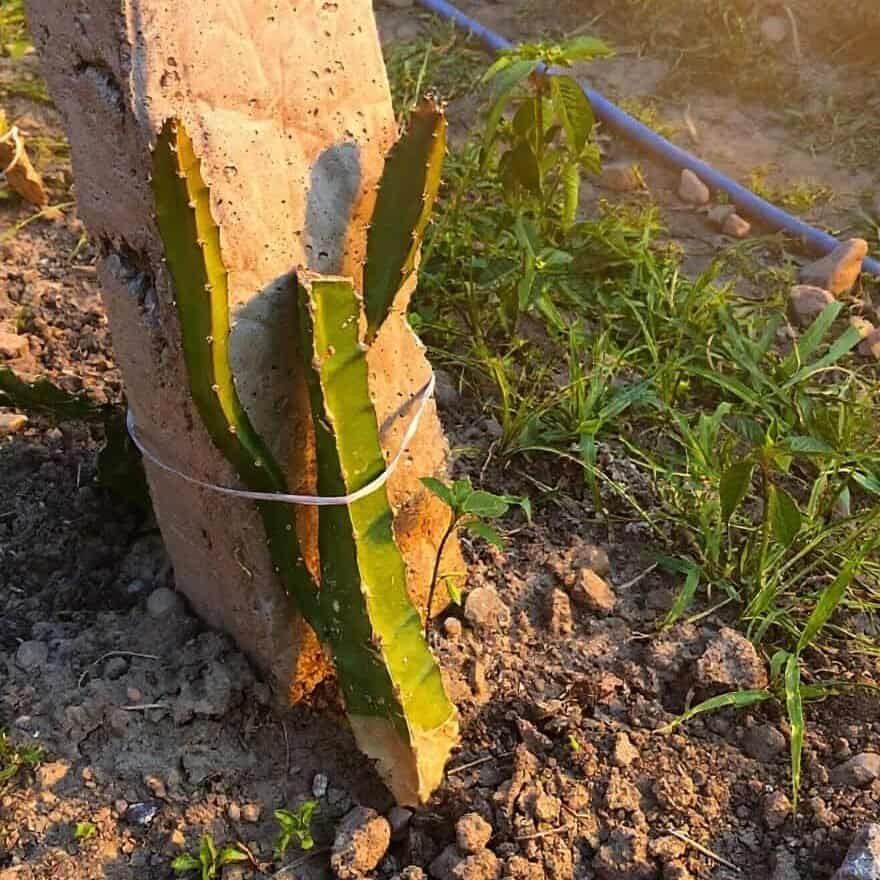
After planting, young plants should be gently tied to the support structure so they can grow vertically without damage.
During the initial months, the primary objective is to develop a healthy main stem. Side branches growing near the base are usually removed so that plant energy is directed toward vertical growth.
Trellis System
Unlike ordinary fruit crops, dragon fruit plants require a permanent support structure.
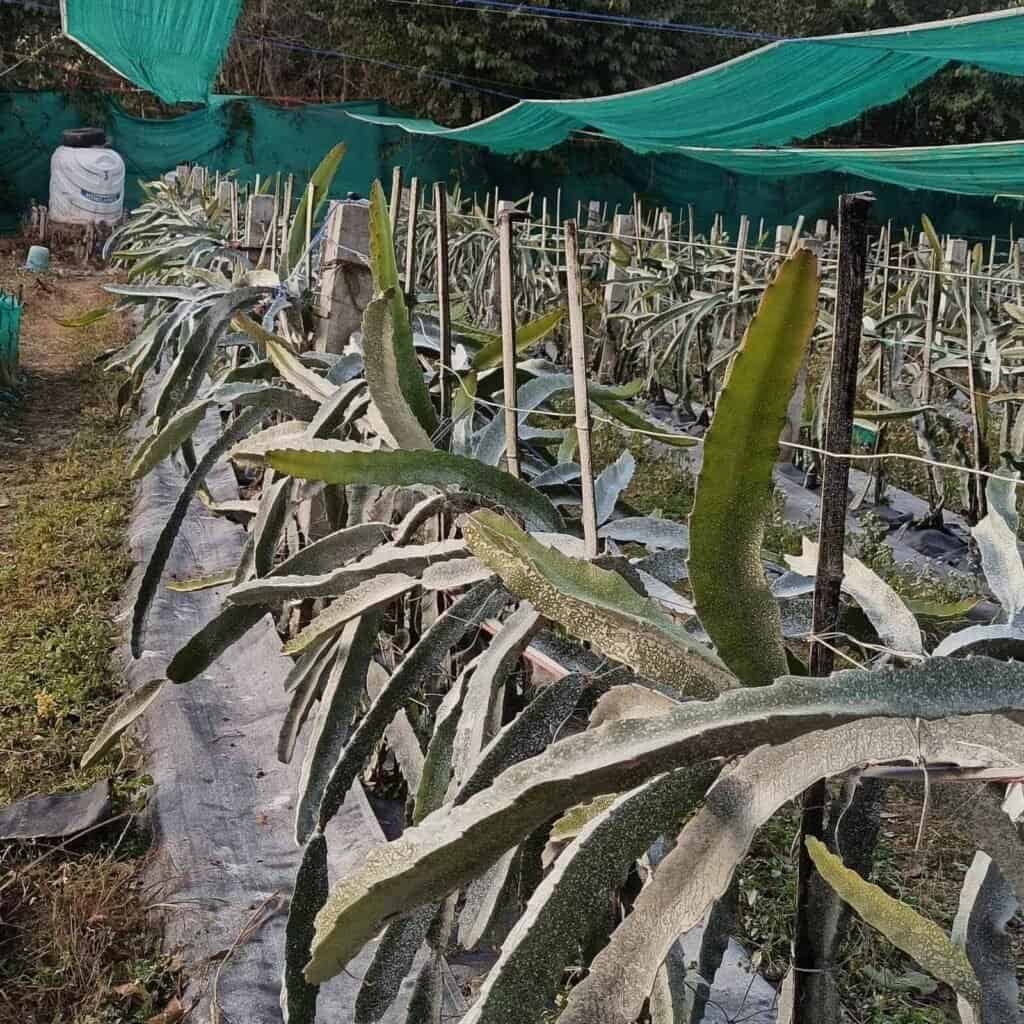
A strong trellis system allows the climbing stems to grow upward until they reach the top of the support pole. Once they reach the top, the branches naturally hang downward, where flowering and fruiting mainly occur.
Concrete poles are commonly used because of their durability and long service life. Various support designs are available, but the primary objective remains the same—providing adequate support for the plant while allowing proper canopy development.
A well-designed trellis system offers several advantages:
- Better sunlight exposure
- Improved air circulation
- Easier pruning
- Convenient harvesting
- Reduced disease incidence
- Better fruit quality
Cost of dragon fruit farming cost Although installing support structures requires an initial investment, they remain useful for many years and contribute significantly to long-term productivity.
Irrigation Management
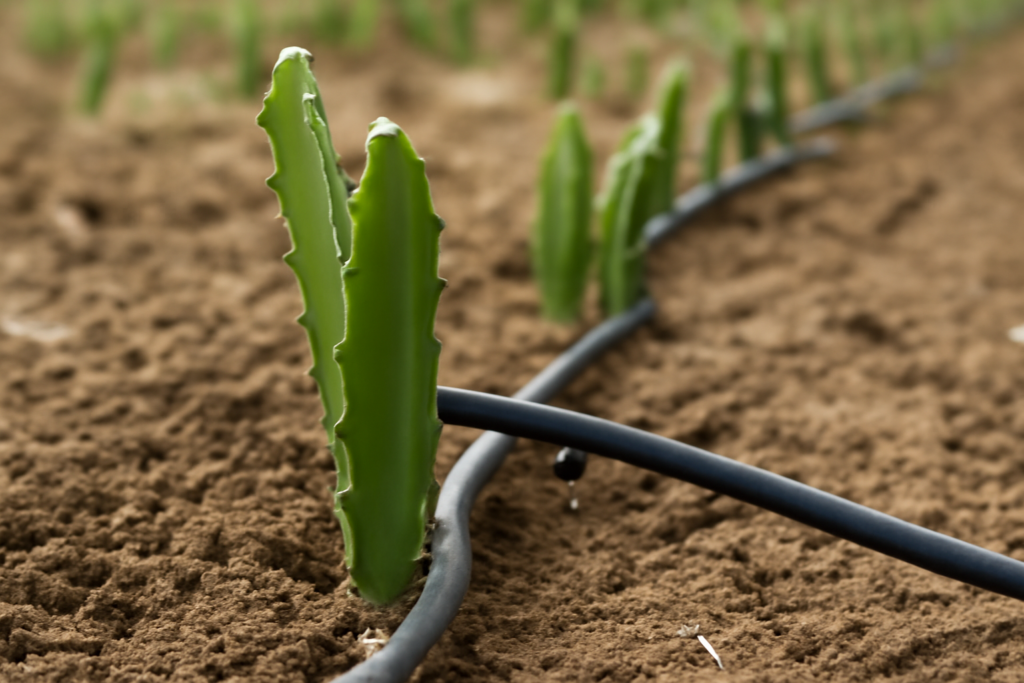
Although dragon fruit belongs to the cactus family, it should never be considered a drought crop that requires little attention.
Young plants need regular moisture for healthy root establishment, while mature plants require balanced irrigation depending on the season and growth stage.
Drip irrigation is considered the most efficient method because it supplies water directly to the root zone while minimizing wastage.
During hot summer months, irrigation frequency may increase depending on soil moisture and weather conditions. In contrast, watering should be reduced during winter when plant growth slows down.
Monsoon management requires special attention. Heavy rainfall can easily create waterlogged conditions if drainage is poor. Therefore, irrigation should be adjusted according to natural rainfall instead of following a fixed schedule.
Maintaining moderate soil moisture is more beneficial than alternating between prolonged dryness and excessive watering.
Fertilizer Management
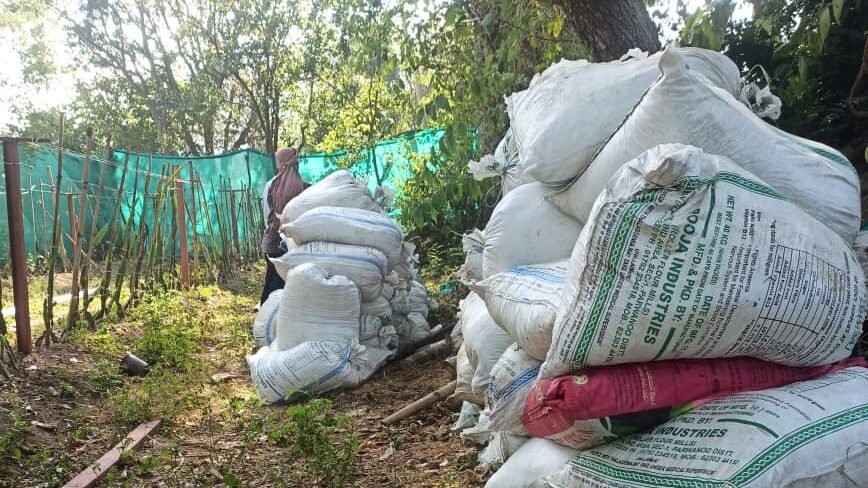
Balanced nutrition is one of the key factors influencing plant growth, flowering, fruit size, and overall productivity.
Dragon fruit plants require both organic and inorganic nutrient sources. Organic matter improves soil structure, microbial activity, and long-term soil health, while chemical fertilizers supply nutrients according to plant requirements during different growth stages.
Instead of applying the same fertilizer throughout the year, nutrient management should change according to the plant’s growth cycle.
The nutritional requirements differ during:
- Vegetative growth
- Flower initiation
- Flowering
- Fruit development
- Post-harvest recovery
Besides primary nutrients such as nitrogen, phosphorus, and potassium, secondary nutrients and micronutrients also play an important role in maintaining healthy plants.
Calcium contributes to stronger plant tissues and improved fruit quality. Boron supports flowering, pollination, and fruit set. Magnesium assists chlorophyll production and photosynthesis, while micronutrients help regulate several physiological processes essential for healthy plant development.
Organic manures, compost, and other soil conditioners can further improve soil fertility and encourage beneficial microbial activity.
A scientific fertilizer schedule based on soil testing, crop stage, and seasonal requirements always produces better results than excessive or unplanned fertilizer application.
- cow dung-neem cake-vermicompost-seaweed granule – rock phosphate/SSP
- Water soluble fertilizer: drip/Spray – NPK 19-19-19, NPK 12-61-00
- bio-Veta
- amino acid
- micronutrients chelated
- magnesium sulphate – Epsom salt
Pruning Management
Pruning is one of the most important cultural practices in dragon fruit farming. Proper pruning improves sunlight penetration, air circulation, and encourages new productive branches that ultimately increase flowering and fruit production.
Initial Pruning
During the first year, the objective is to develop one strong main stem. Any side shoots emerging near the base should be removed so that the plant directs its energy toward vertical growth. Once the main stem reaches the top of the support pole, it should be allowed to branch naturally.
Maintenance Pruning
As the plant matures, weak, damaged, diseased, overcrowded, or unproductive branches should be removed regularly. This keeps the canopy open and reduces the risk of fungal diseases.
Fruiting Pruning
After harvesting, old branches that have already produced several crops can be selectively pruned to encourage fresh shoots. Since dragon fruit flowers mainly on healthy new growth, regular renewal pruning helps maintain consistent production.
Always use clean and disinfected pruning tools to avoid spreading diseases from one plant to another.
Flowering and Pollination
One of the most fascinating stages of dragon fruit cultivation is flowering. The plant produces large, fragrant flowers that bloom at night and usually remain open for only one night.
In most parts of India, flowering generally starts during the warmer months and continues in multiple flushes throughout the fruiting season. Under good management, plants can produce several flowering cycles in a single year.
Pollination plays a crucial role in fruit set and fruit quality. Some varieties are self-fertile, while others perform better with cross-pollination. In areas where natural pollination is insufficient, some farmers practice hand pollination to improve fruit set and produce larger, more uniform fruits.
Healthy nutrition, proper irrigation, and balanced plant growth are equally important for successful flowering. Excess nitrogen during this stage can encourage vegetative growth at the expense of flowers.
Fruit Development
Once pollination is successful, the flower begins transforming into a developing fruit. This stage requires consistent crop management because fruit quality largely depends on nutrition, irrigation, and weather conditions.
The fruit gradually increases in size before the outer skin starts changing color. During this period, plants require balanced moisture and nutrients to support healthy fruit growth.
Calcium and potassium are particularly important during fruit development because they contribute to fruit firmness, quality, and overall market value. Maintaining healthy leaves is equally important since they produce the carbohydrates required for fruit filling.
Proper field sanitation, timely irrigation, and protection from pests help ensure better fruit quality throughout the development period.
Common Pests
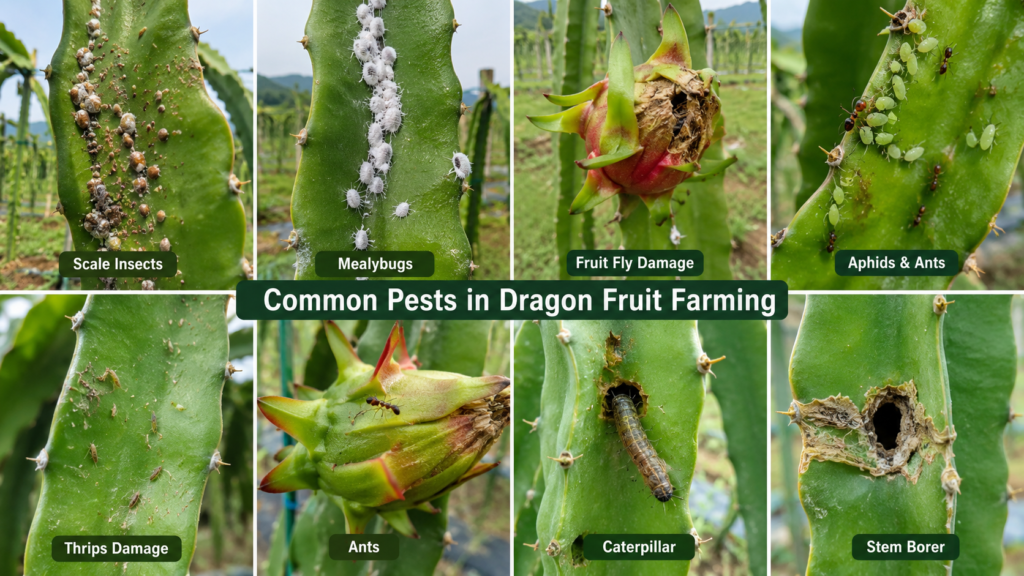
Like any commercial crop, dragon fruit can be affected by several insect pests if regular monitoring is ignored.
Mealybugs
Mealybugs feed on plant sap and weaken stems, flowers, and fruits. Heavy infestation can significantly reduce plant vigor and fruit quality.
Fruit Fly
Fruit flies attack ripening fruits, making them unsuitable for marketing. Proper orchard sanitation and timely pest management help reduce infestation.
Ants
Although ants may not directly damage the plant, they often protect mealybugs because they feed on the honeydew secreted by them. Controlling mealybugs usually reduces ant activity as well.
Scale Insects
Scale insects attach themselves to stems and continuously suck plant sap. Severe infestation can reduce plant growth and weaken fruit production.
Regular field inspection helps detect pest problems before they become serious.
Common Diseases
Disease management begins with prevention rather than treatment.
Stem Rot
Stem rot is one of the most common problems in dragon fruit plantations, especially during prolonged rainy periods or poor drainage conditions.
Maintaining raised beds, avoiding waterlogging, improving air circulation, and removing infected stems are essential preventive measures.
Anthracnose
Anthracnose is a fungal disease that may affect stems and fruits under warm and humid conditions. Proper sanitation and timely fungicide application, when necessary, help reduce disease spread.
Soft Rot
Soft rot generally develops under excessive moisture and poor field hygiene. Prompt removal of infected plant parts helps prevent further spread.
Maintaining healthy soil drainage remains one of the most effective methods for reducing disease pressure.
Weed Management
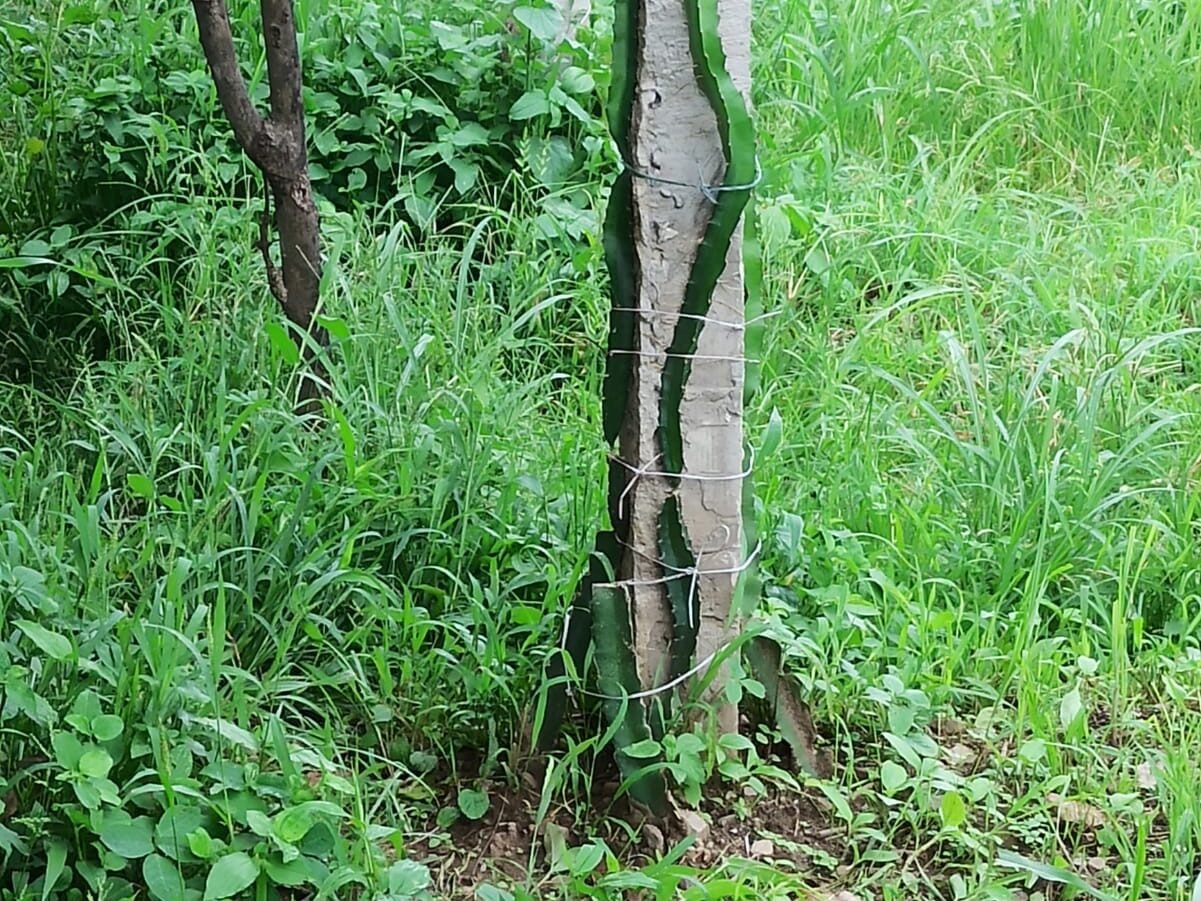
Weeds compete with dragon fruit plants for nutrients, water, and sunlight. If not controlled, they may also provide shelter for insect pests and disease-causing organisms.
Many commercial growers prefer mulching because it suppresses weed growth while conserving soil moisture.
Manual weeding around the base of the plants should be carried out whenever necessary without damaging the shallow root system.
Keeping the plantation clean also improves airflow and makes farm operations easier.
Harvesting
Dragon fruit is harvested when the fruit develops its characteristic skin color and reaches market maturity.
Harvesting too early reduces sweetness, while delayed harvesting may reduce shelf life and transportation quality.
Fruits should be harvested carefully using clean pruning shears or a sharp knife, leaving a short portion of the stem attached. Rough handling should be avoided because bruised fruits lose market value quickly.
Harvesting is usually carried out early in the morning or during cooler hours of the day to maintain fruit freshness.
Post-Harvest Management
Good post-harvest handling is essential for obtaining better prices in the market.
After harvesting, fruits should be sorted according to size, color, and quality.
Damaged or diseased fruits should be separated immediately.
Proper grading improves market presentation and helps farmers receive premium prices.
The fruits should be packed carefully in suitable cartons or crates to minimize mechanical damage during transportation.
Maintaining cleanliness throughout the handling process also increases shelf life and consumer acceptance.
Yield
Yield varies depending on several factors, including:
Variety
Plant age
Climate
Fertilizer management
Irrigation
Pollination
Overall crop management
Young plantations produce relatively fewer fruits during the initial years. As plants mature, productivity increases significantly under proper management.
Instead of focusing only on the number of fruits, farmers should aim for consistent production of high-quality fruits that meet market standards.
Cost and Profitability
Dragon fruit farming requires a comparatively higher initial investment because of support structures, planting material, drip irrigation, and field preparation.
However, these are long-term investments. Once the plantation becomes established, maintenance costs are relatively lower compared to many perennial fruit crops.
Profitability depends on:
Fruit quality
Market demand
Production cost
Yield
Selling price
Proper marketing strategy
Farmers who focus on quality production and efficient farm management generally achieve better economic returns over the long term.
Marketing Opportunities
The demand for dragon fruit continues to grow in India due to increasing consumer awareness and changing food preferences.
Farmers can market their produce through:
Local fruit markets
Wholesale traders
Retail fruit shops
Supermarkets
Hotels and restaurants
Online grocery platforms
Direct farm sales
Developing direct relationships with buyers often helps farmers secure better prices than relying solely on intermediaries.
Government Support
Several central and state government departments encourage the cultivation of high-value horticultural crops through various schemes.
Depending on the state, farmers may receive assistance for:
Plantation establishment
Drip irrigation
Protected cultivation
Horticulture development programs
Before starting a commercial plantation, growers should contact their local horticulture department to obtain updated information regarding available schemes and eligibility.
Common Mistakes to Avoid
Many beginners make avoidable mistakes that reduce plant health and profitability.
Some of the most common mistakes include:
Choosing poor-quality planting material.
Planting in poorly drained soil.
Overwatering during the monsoon.
Excessive use of nitrogen fertilizers.
Ignoring pruning.
Delaying pest and disease control.
Maintaining overcrowded canopies.
Harvesting fruits before full maturity.
Following fertilizer schedules without considering soil test results.
Neglecting regular field monitoring.
Avoiding these mistakes can significantly improve both yield and fruit quality.
Conclusion
Dragon fruit farming has evolved from an experimental crop into a promising commercial opportunity for Indian farmers. With increasing demand, expanding cultivation across different regions, and advancements in farming practices, the crop offers excellent long-term potential for both small and large growers.
Success, however, depends on much more than planting healthy cuttings. Careful attention to soil preparation, climate adaptation, balanced nutrition, irrigation, pruning, pest management, and timely harvesting is essential for building a productive plantation.
As more farmers across India—including those in non-traditional growing regions—continue to adopt this crop, dragon fruit farming is expected to play an increasingly important role in the country’s horticulture sector. By combining scientific cultivation techniques with practical field experience, growers can improve productivity, maintain fruit quality, and build a sustainable farming business for years to come.
Dragon Fruit Farming Calendar in India
Although the exact farming schedule varies across different regions of India, understanding the annual crop cycle helps farmers plan irrigation, nutrition, pruning, and harvesting more efficiently.
Month Major Farm Activities
January Winter care, irrigation management, disease monitoring
February Pruning, field cleaning, organic manure application
March New vegetative growth, nutrient management
April Stem development, irrigation management
May Flower bud initiation in warmer regions
June Flowering begins, pollination, pest monitoring
July Flowering and first fruit development
August Peak fruiting season, harvesting, fertilizer application
September Continued harvesting and fruit management
October Final harvesting in many regions
November Plant recovery and pruning
December Winter protection and field maintenanceNote: The cultivation calendar may vary depending on local climate, variety, and management practices.
Month-Wise Fertilizer Management
Dragon fruit plants require different nutrients during different growth stages. Instead of applying the same fertilizer throughout the year, nutrient management should follow the crop cycle.
Vegetative Growth Stage
The focus should be on developing healthy stems and a strong root system.
Generally required nutrients include:
Organic manure
Nitrogen
Phosphorus
Micronutrients
Flower Bud Initiation
At this stage, balanced nutrition becomes essential for encouraging healthy flowering.
Important nutrients include:
Phosphorus
Boron
Micronutrients
Flowering Stage
Healthy flowers and successful pollination depend on balanced crop nutrition.
Important nutrients include:
Boron
Calcium
Amino acids (when required)
Micronutrients
Fruit Development Stage
As fruits begin to develop, nutrient demand changes again.
Important nutrients include:
Potassium
Calcium
Magnesium
Balanced micronutrients
Post-Harvest Stage
After harvesting, plants need sufficient nutrients to recover and prepare for the next flowering cycle.
Recommended management generally includes:
Organic manure
Balanced NPK
Micronutrients if required
Soil improvement practices
Dragon Fruit Growth Stages
Understanding the growth stages helps farmers provide the right management at the right time.
Stage 1 – Plant Establishment
New cuttings develop roots and begin producing fresh shoots.
Stage 2 – Vegetative Growth
Plants climb the support structure and develop healthy stems.
Stage 3 – Canopy Formation
Branches begin spreading over the support ring, forming the fruiting canopy.
Stage 4 – Flower Bud Initiation
Small flower buds start appearing on mature branches.
Stage 5 – Flowering
Large white flowers bloom during the night and remain open for a short period.
Stage 6 – Fruit Development
Pollinated flowers gradually develop into fruits.
Stage 7 – Fruit Maturity
The fruit reaches full size and develops its characteristic skin color before harvesting.
Advantages of Dragon Fruit Farming
Dragon fruit cultivation offers several advantages over many traditional fruit crops.
- Long productive life.
- Increasing market demand.
- Attractive market prices.
- Suitable for commercial farming.
- Lower water requirement than many fruit crops.
- Multiple harvests during the fruiting season.
- High nutritional value.
- Growing consumer awareness.
- Export potential.
- Can be integrated with modern irrigation systems.
- Challenges in Dragon Fruit Farming
Like any commercial crop, dragon fruit cultivation also presents certain challenges.
- High initial investment.
- Requirement of support structures.
- Quality planting material is not always available.
- Flowering may vary depending on climate.
- Pest and disease management during the rainy season.
- Price fluctuations in local markets.
- Lack of technical knowledge among new growers.
- Extreme weather conditions in some regions.
Understanding these challenges before starting a plantation helps farmers make better long-term decisions.
Tips for Beginners
Farmers who are starting dragon fruit cultivation for the first time should keep the following points in mind:
- Purchase planting material from reliable nurseries.
- Prepare well-drained raised beds.
- Install a strong support system.
- Follow a balanced nutrient management plan.
- Avoid excessive irrigation.
- Monitor plants regularly for pests and diseases.
- Maintain field sanitation.
- Learn proper pruning techniques.
- Keep farm records of fertilizer application, flowering, and harvesting.
- Be patient during the establishment period.
- Why Original Farm Experience Matters
Every farm is different. Soil type, climate, rainfall, irrigation quality, and management practices can influence crop performance.
Throughout this guide, practical observations from our dragon fruit farm in Himachal Pradesh have been included wherever applicable. Although dragon fruit is naturally a tropical cactus, our experience shows that successful cultivation is possible in non-traditional regions when proper varieties are selected and scientific crop management practices are followed.
Farmers should always observe their own fields, monitor plant responses, and make management decisions based on local conditions rather than following a fixed schedule without evaluation.
FAQ
Q1- Is dragon fruit farming profitable in India?
Ans- Yes with proper crop management, quality planting material, and access to reliable markets, dragon fruit can be a profitable long-term horticultural crop.
Q2- How many years does a dragon fruit plantation last?
Ans- A healthy plantation can remain productive for around 20 years or even longer with proper care.
Q3- Does dragon fruit require a lot of water?
Ans- No. It requires moderate irrigation with good drainage. Waterlogging should always be avoided.
Q4- Can dragon fruit be grown in North India?
Ans- Yes. With suitable varieties and proper management practices, successful cultivation is possible in many parts of North India.
Q5- Is drip irrigation necessary?
Ans- Although not mandatory, drip irrigation is highly recommended because it improves water-use efficiency and allows better nutrient management.
You can email us or contact us on Instagram for more question regarding dragon fruit farming/Tips etc.