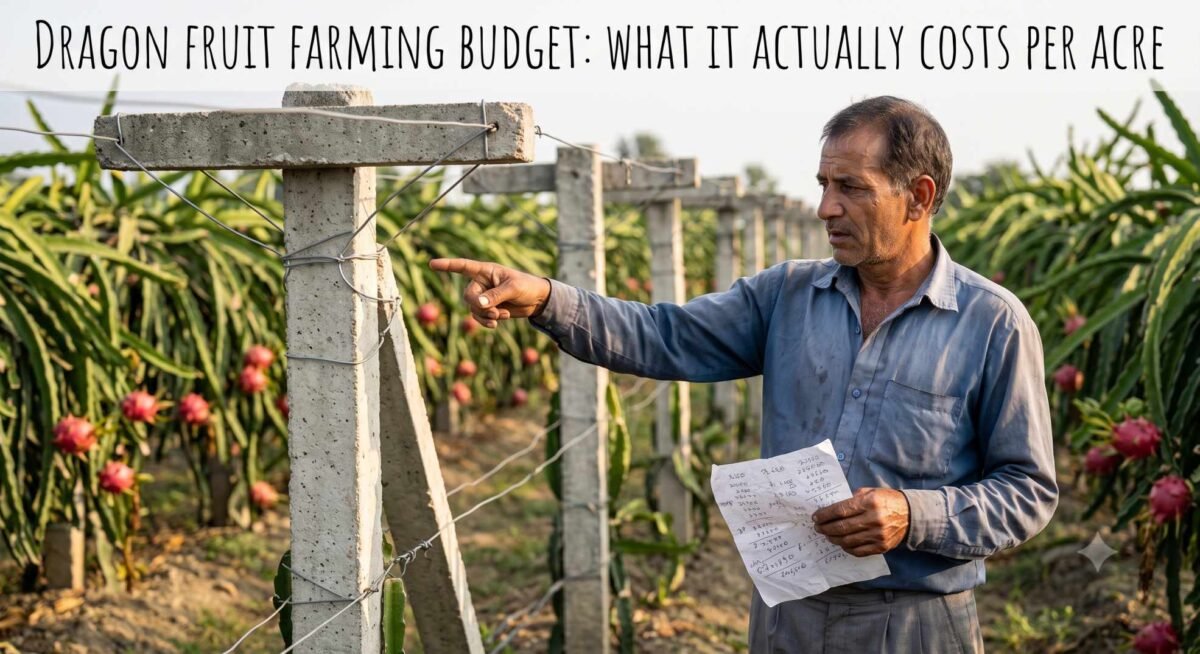
Quick Takeaway: Selling your dragon fruit harvest to local mandis often limits your earnings to ₹120–₹160 per kg. By shifting to a Direct-to-Customer (D2C) model using Facebook Ads, Instagram Ads, and a WhatsApp sales funnel, growers can fetch premium rates of ₹250–₹350 per kg. This guide breaks down the exact blueprint we use at Bhagyodaya Exotic Farm, Bhumti to build a premium farm-fresh brand, direct to customer dragon fruit sales educate local markets, and double our profit margins.
Growing healthy, high-yielding dragon fruit is only half the battle; selling it at the right price is what actually determines your farm’s success. As commercial dragon fruit cultivation expands across India, farmers relying solely on wholesale traders and local mandis are noticing a squeeze in their profit margins.
When your premium, chemical-free harvest is tossed into a mandi auction, it loses its identity and is priced purely as a commodity. But what if you could take control of your pricing, build a loyal customer base, and deliver your fruit directly from the farm to the consumer’s doorstep?
In this comprehensive guide, we will break down the exact marketing strategy and direct-to-customer (D2C) model we use at our own farm to bypass middlemen and secure a premium price for our harvest.
The Problem with Wholesale Mandi Rates
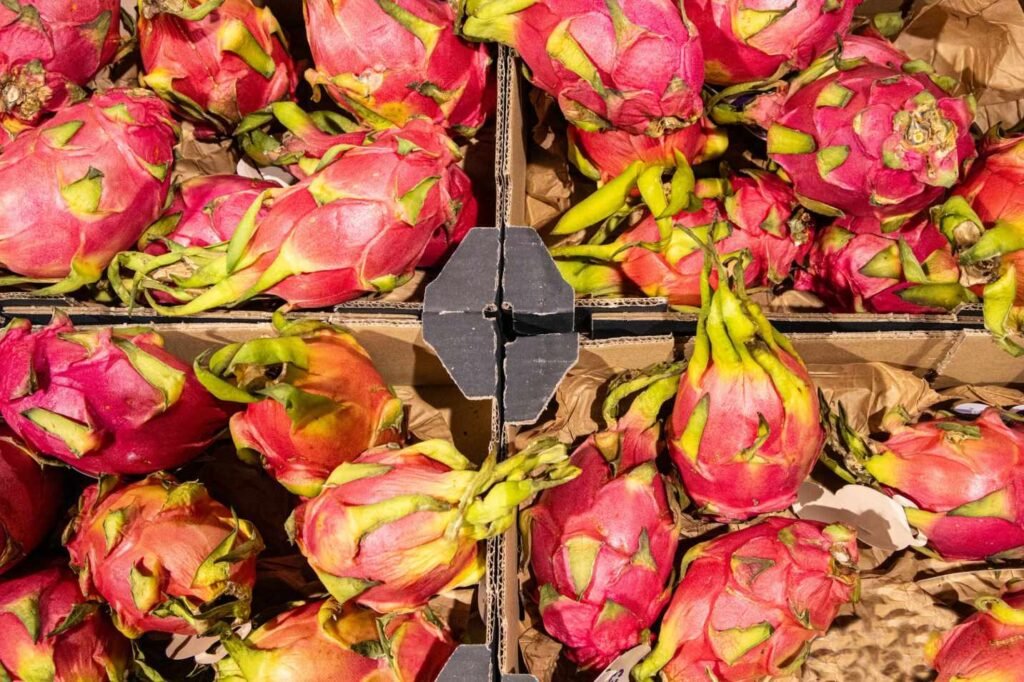
For many new farmers, the local mandi is the default option for selling their harvest. It is convenient, fast, and clears out bulk stock in a single day. However, this convenience comes at a massive financial cost.
In local wholesale markets, dragon fruit is often procured at ₹120 to ₹160 per kg, depending on the size and quality of the fruit. Traders then add their own margins, and the same fruit is sold in urban retail markets for upwards of ₹300 per kg. The farmer, who took the risk, invested the capital, and spent months nurturing the crop, ends up taking home the smallest slice of the profit pie.
To turn dragon fruit farming into a highly lucrative business, you must transition from being just a “grower” to becoming a “farm-brand.”
The D2C Solution: Doubling Your Margin
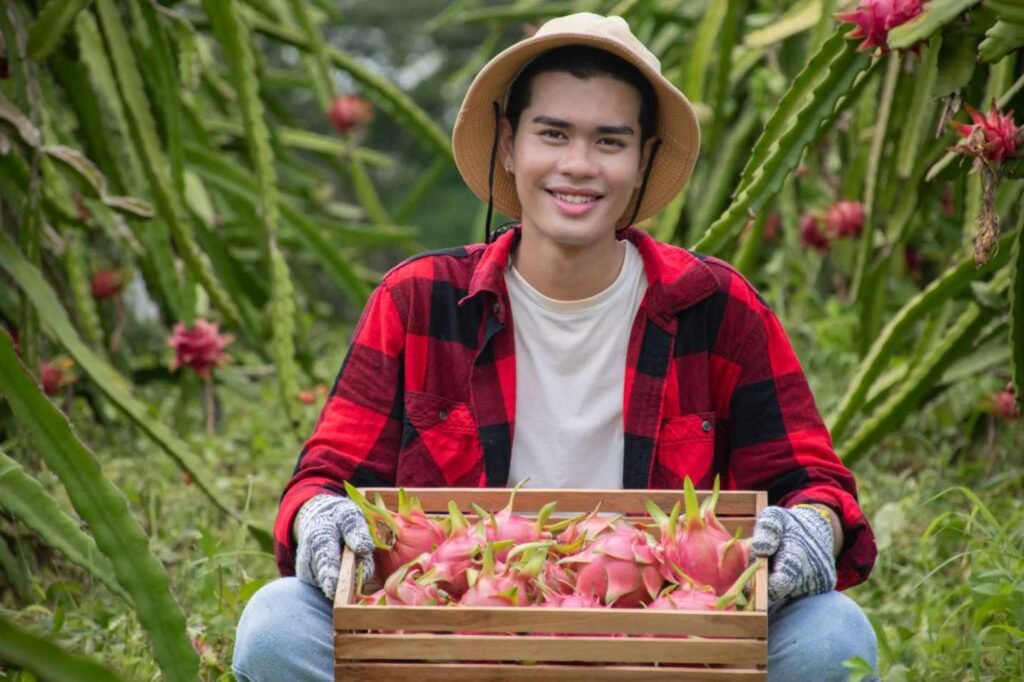
By selling Direct to Customer Dragon Fruit Sales directly to the end consumer, the financial mathematics of your farm changes completely. At Bhagyodaya Exotic Farm, Bhumti (near Shimla), we completely shifted our focus toward direct home delivery.
The results? Instead of settling for ₹120-₹160/kg at the mandi, our premium farm-fresh dragon fruit consistently sells for ₹250 to ₹350 per kg, plus an additional ₹50 for home delivery. Customers are happily willing to pay this premium because they are getting 100% fresh, unbruised, high-quality produce straight from the farm, cutting out days of retail shelf time.
Profit Comparison: Mandi vs. Direct-to-Customer (Per 100 kg)
| Sales Channel | Selling Price (per kg) | Total Revenue (for 100 kg) | Marketing/Delivery Cost | Net Earnings |
| Local Mandi / Wholesale | ₹140 (Average) | ₹14,000 | ₹500 (Transport) | ₹13,500 |
| Direct-to-Customer (D2C) | ₹300 (Average) | ₹30,000 | ₹2,500 (Ads & Packaging) | ₹27,500 |
Note: Delivery charges (₹50) are paid by the customer, meaning the transport logistics pay for themselves without eating into your core fruit margin.
As the table shows Direct to Customer Dragon Fruit Sales, bypassing the mandi system can quite literally double your farm’s revenue without needing to plant a single extra pole.
Step 1: Breaking Into Uncharted Markets (The Apple Monopoly)
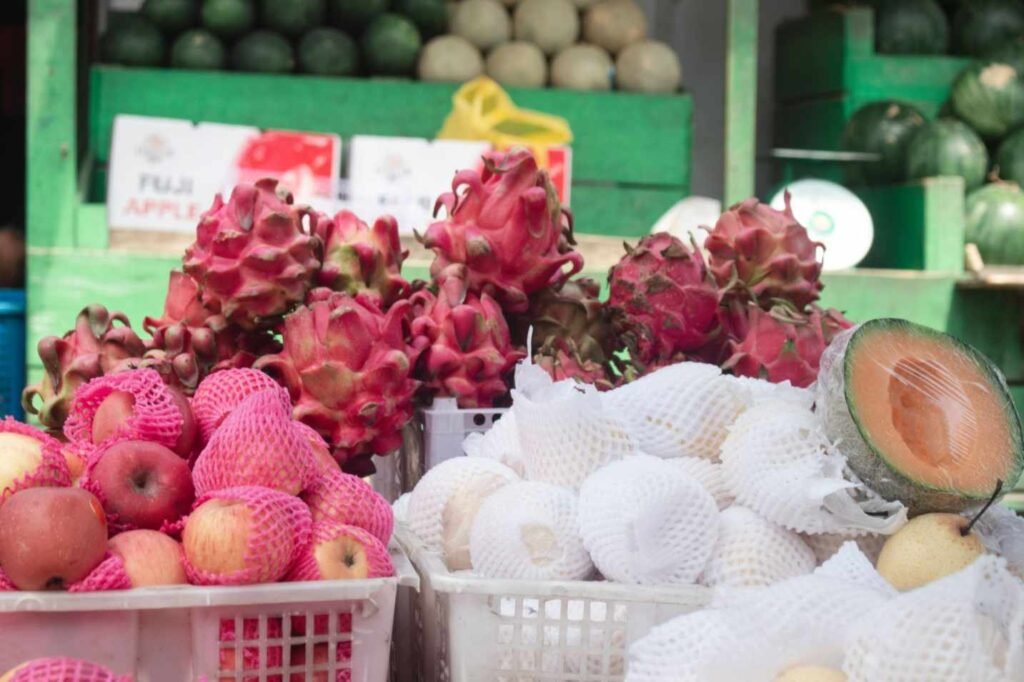
One of the biggest hurdles in local marketing—especially in regions like Himachal Pradesh—is consumer awareness. In Shimla, the local market is heavily dominated by apples. People know their apples, but dragon fruit is still viewed as a rare, exotic luxury that many locals haven’t tried. Direct to Customer Dragon Fruit Sales
If you are farming in a region where dragon fruit is not a traditional household staple, you cannot wait for customers to come to you. You have to introduce the fruit to them.
How to educate a new market: sell dragon fruit locally
- Door-to-Door Introductions: When we first started at Bhagyodaya Exotic Farm, we had to build trust from scratch. We literally introduced the fruit door-to-door in key neighborhoods.
- Focus on Health Benefits: Since dragon fruit is relatively new to the local palate, market it based on its nutritional profile. Highlight that it is excellent for digestion, boosts immunity, helps manage blood sugar, and is a dengue-recovery superfood (increases platelet count).
- Visual Appeal: People eat with their eyes first. The vibrant pink skin and deep red/magenta pulp of a fresh dragon fruit look incredible. We leveraged this visual appeal to make people curious enough to place their first order.
Once a family tastes a freshly harvested, perfectly ripened dragon fruit straight from the farm, they rarely go back to buying stale supermarket fruits. The response to our local push was overwhelming, proving that even in an apple-dominated state, there is a massive appetite for premium exotics.
Step 2: Lead Generation via Facebook and Instagram Ads
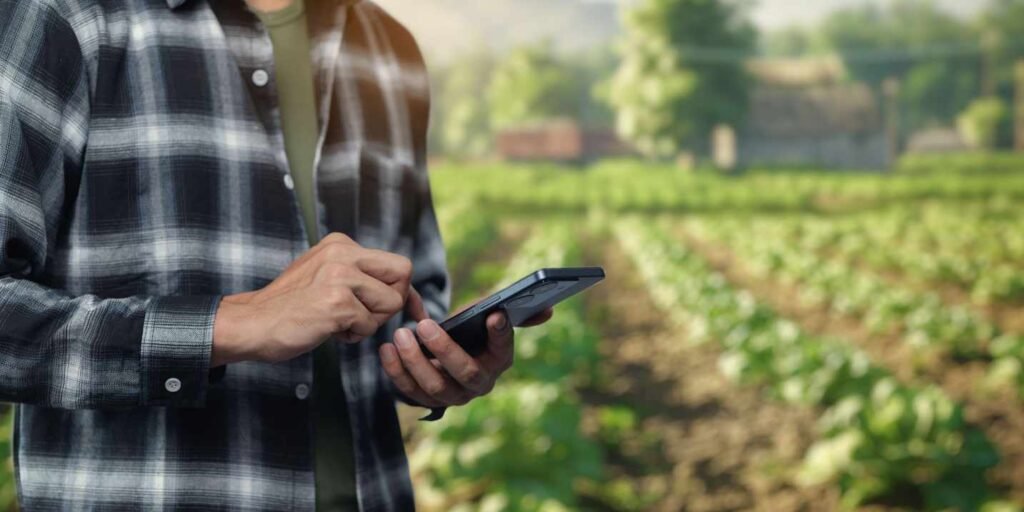
You don’t need a fancy website or a complex e-commerce store to sell your harvest. The most powerful marketing tools are already on your smartphone. We rely heavily on Facebook Ads and Instagram Ads to generate local leads.
Here is exactly how you can set up an ad funnel that brings daily orders:
1. Create a “Farm-Fresh” Visual Identity
People scrolling through Instagram are attracted to aesthetics. Do not just post a picture of a fruit on a table. Record short, vertical Reels (9:16 ratio) showing the actual harvesting process. Show a fruit being cut open in the middle of your farm to reveal the juicy red center. This proves authenticity.
2. Hyper-Local Targeting
When setting up Facebook or Instagram ads, do not target the whole country. Use the “Radius Targeting” feature. If your farm is in Bhumti, drop a pin on your local main cities (like Shimla or nearby urban hubs) and set a 15-20 km radius. Target users aged 25–55, as this demographic generally has the disposable income to purchase premium fruits for their families’ health.
3. The Call to Action (CTA)
Your ads should have one clear goal: getting the customer to message you. Use the “Send WhatsApp Message” button as your ad objective. When a customer sees a beautiful Reel of your fresh harvest, clicking the button instantly opens a chat with your farm’s WhatsApp Business number.
Step 3: The WhatsApp Sales Funnel – direct to customer dragon fruit sales
WhatsApp is where the actual business happens. Once a customer clicks your Instagram ad and lands in your WhatsApp inbox, your goal is to close the sale and add them to your loyal customer base.
- Automated Greetings: Set up a WhatsApp Business auto-reply. “Welcome to Bhagyodaya Exotic Farm! 🌿 Today’s fresh harvest of Red Dragon Fruit is available at ₹300/kg. Delivery is ₹50 extra. How many kgs would you like to reserve?”
- Broadcast Lists: Once a customer buys from you, save their number and add them to a “Direct Sales Broadcast List.” Next week, when you have a fresh batch ready to harvest, simply send one message to the list: “Fresh harvest happening tomorrow morning! Reply to book your box.” This generates instant, zero-cost repeat sales.
- Transparency: Send short videos of their exact box being packed. This builds an incredible amount of trust that no supermarket can compete with.
Step 4: Premium Packaging & The Farm Brand
If you are charging ₹300 per kg, you cannot deliver the fruit in a cheap, unbranded plastic bag. You are selling a premium experience, and your packaging must reflect that.
Building the Bhagyodaya Brand Experience:
- Corrugated Boxes: Use sturdy, well-ventilated corrugated cardboard boxes. This prevents the fruit from getting bruised or squished during transit.
- Cushioning: Place foam nets (often used for apples or papayas) around each dragon fruit, or use shredded paper at the bottom of the box.
- Brand Stickers: Print high-quality, waterproof stickers with your farm’s name (e.g., Bhagyodaya Exotic Farm), your logo, and your WhatsApp number. Stick one on the box and a small one on the finest fruit inside.
- The Unboxing Experience: When the customer receives the box, it should feel like a premium gift. This is why our customers gladly pay the ₹50 extra delivery charge without hesitation. They aren’t just paying for fruit; they are paying for farm-to-table luxury.
Common Mistakes in Local Direct Sales
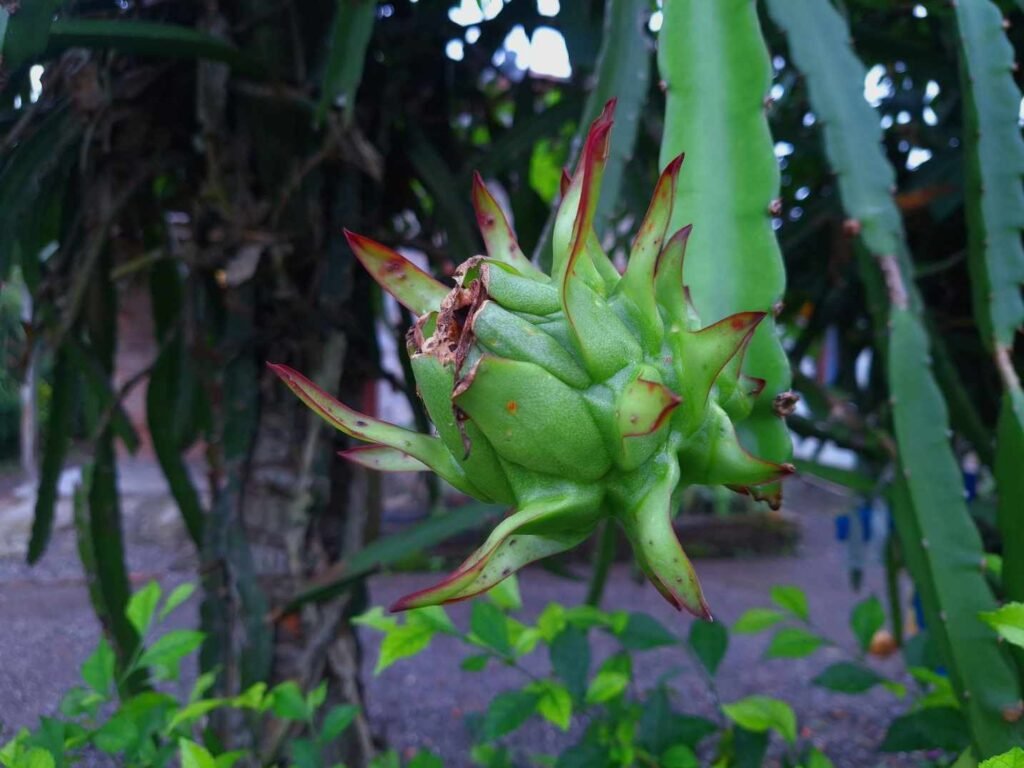
While D2C sales are highly profitable, beginners often make a few critical errors that eat into their margins:
- Harvesting Too Early: Supermarket fruits are picked raw to survive long transport times, sacrificing sweetness. Your biggest advantage is taste. Only harvest when the fruit is fully ripe on the vine. A sweeter fruit guarantees a repeat customer.
- Ignoring Small Orders: Don’t turn away a customer asking for just 1 kg. That 1 kg order is a “taste test.” If they like it, they will order 5 kg next time for their extended family.
- Inconsistent Communication: If an ad is running, be ready to reply to WhatsApp messages within 10 minutes. Buyers lose impulse-buying interest very quickly if they are made to wait.
Final Thoughts: Taking Control of Your Harvest
Transitioning from wholesale dependency to direct-to-customer sales takes effort. Setting up ads, answering WhatsApp messages, and packing boxes is undoubtedly more work than dumping your harvest into a trader’s truck.
However, as we have proven at Bhagyodaya Exotic Farm, that extra effort is exactly what bridges the gap between ₹150/kg and ₹350/kg. By building a trusted brand, utilizing social media smartly, and offering an unmatched, farm-fresh experience, you can insulate your farm from market price crashes and build a highly profitable, sustainable agricultural business.
Frequently Asked Questions (FAQ)
Is it difficult to sell dragon fruit directly to consumers?
It requires initial effort to build an audience, but tools like Facebook Ads and WhatsApp make it highly accessible. Once you secure a base of 50-100 repeat customers, selling your weekly harvest becomes almost automatic.
Why do customers pay more for direct delivery than mandi rates?
Customers pay for freshness, zero chemical handling post-harvest, and convenience. Direct delivery means the fruit was on the plant yesterday and is on their dining table today, which drastically improves taste and shelf life compared to market-bought fruit.
How much should I spend on Facebook or Instagram Ads?
You can start with a very small budget. Spending just ₹150 to ₹300 per day targeted at a 15km radius around your city is usually enough to generate a steady stream of WhatsApp inquiries for your harvest.
Should I charge extra for home delivery?
Yes. Transparently charging a nominal delivery fee (like ₹50) is standard practice. Customers understand that premium doorstep service involves fuel and time costs. It ensures your core fruit profit margin remains untouched.