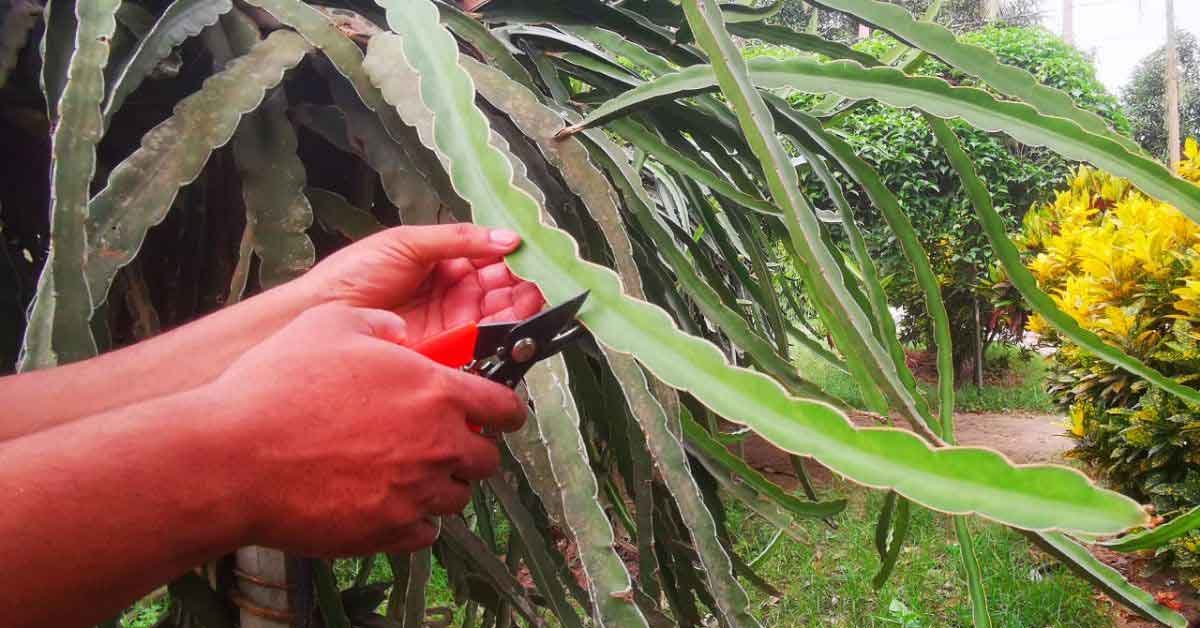
Dragon fruit is no longer just an exotic fruit you spot at a fancy grocery store or a five-star hotel buffet. Over the last few years, it has quietly become one of the most talked-about fruits across the globe — and India is catching up fast. With its vibrant pink skin, unique texture, and impressive health benefits, dragon fruit (also known as Kamalam or Pitaya) has carved out a growing fan base among health-conscious consumers.
Here’s the surprising part though: despite this rising demand, dragon fruit cultivation in India is 1% nearly 99% of the dragon fruit consumed in India is still imported from countries like Vietnam, Thailand, and Sri Lanka. Indian farmers have barely scratched the surface of what could be a massive domestic opportunity. But that’s slowly starting to change.
In recent years, farmers in states like Gujarat, Maharashtra, Karnataka, West Bengal, and Tamil Nadu have started experimenting with dragon fruit cultivation — and the early results are turning heads. As awareness grows and more success stories surface, the crop is gradually shifting from a “niche experiment” to a genuinely serious farming option.
dragon fruit cultivation in India is a good option for the beginners.
Is Dragon Fruit cultivation Suitable for Beginners?
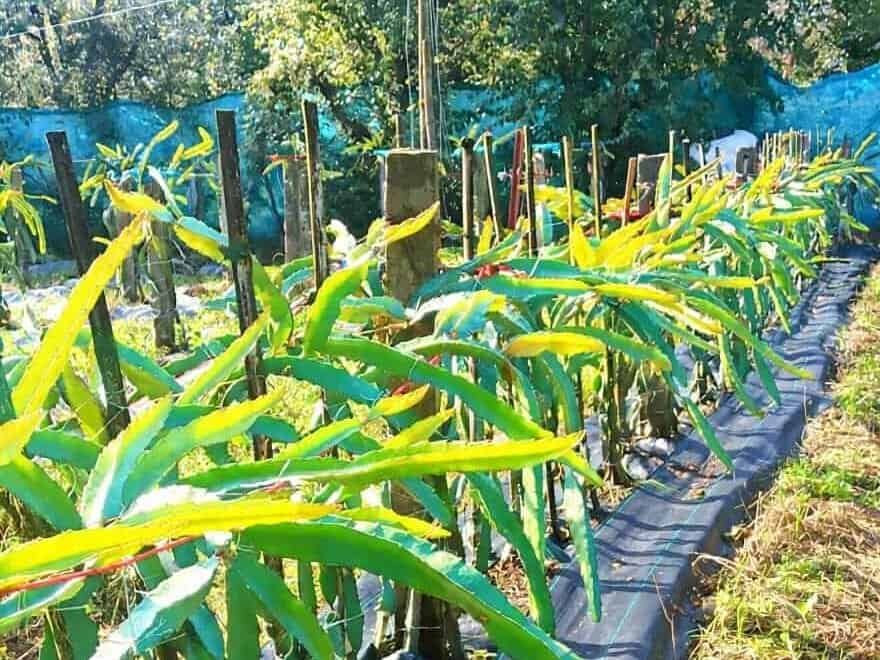
Yes, a beginner can start dragon fruit cultivation, but you should not start it just because someone told you that dragon fruit farming gives good profits. The reality is that this crop also requires a lot of hard work, patience, and regular care.
In the beginning, you may have to invest both money and effort for a long time before the farm starts giving proper returns. So, if you are only interested in the profit, this crop may disappoint you. But if you genuinely like farming, are ready to learn, and can work patiently for the first few years, dragon fruit farming can be a good option for you.
Small Land, Big Profits — Why Everyone’s Talking About It
What makes dragon fruit cultivation stand out isn’t just the rising demand — it’s the economics. Unlike many traditional crops that need large tracts of land to be profitable, dragon fruit can deliver strong returns even on a small piece of land. It requires relatively less water, the plants are hardy once established, and a single plantation can keep producing fruit for 15-20 years.
Add to that the market price — often ranging between ₹150 to ₹300 per kg, sometimes even higher for premium quality — and it’s easy to see why this crop is being called one of the most profitable options per acre in Indian agriculture today.
Naturally, this raises an important question: can new farmers, people with no prior background in this kind of horticulture, actually get into dragon fruit farming and succeed? Is it really as simple and rewarding as it sounds, or are there hidden challenges that first-time growers need to know about before jumping in?
did you know?
- Dragon fruit demand is rising fast in India, but 99% of it is still imported
- Farmers in Gujarat, Maharashtra, Karnataka, West Bengal, and Tamil Nadu are already growing it commercially
- Requires less land and water compared to traditional crops
- Delivers high returns per acre — market price ranges ₹150-₹300/kg
- A single plant can yield fruit for 15-20 years once established
- Big question: is this the right opportunity for new/first-time farmers?
Understand the Basic Requirements Before Starting
Before planting dragon fruit, understand what the crop will require from day one. The initial investment can be high, and for nearly two years you may need to keep investing money and effort before getting meaningful returns.
Start with proper field preparation. If your land has a slope or waterlogging risk, plan the field accordingly so rainwater can drain away. A soil test is also important so you know what nutrients or corrections your soil actually needs.
You will then need to plan the support structure, such as traditional ring poles or a modern trellis system, along with plants, mulch, irrigation, fertilizers, and possibly shade protection or intercrops. Planning these requirements in advance can prevent problems later.
Choose the Right Location for Your Dragon Fruit Farm
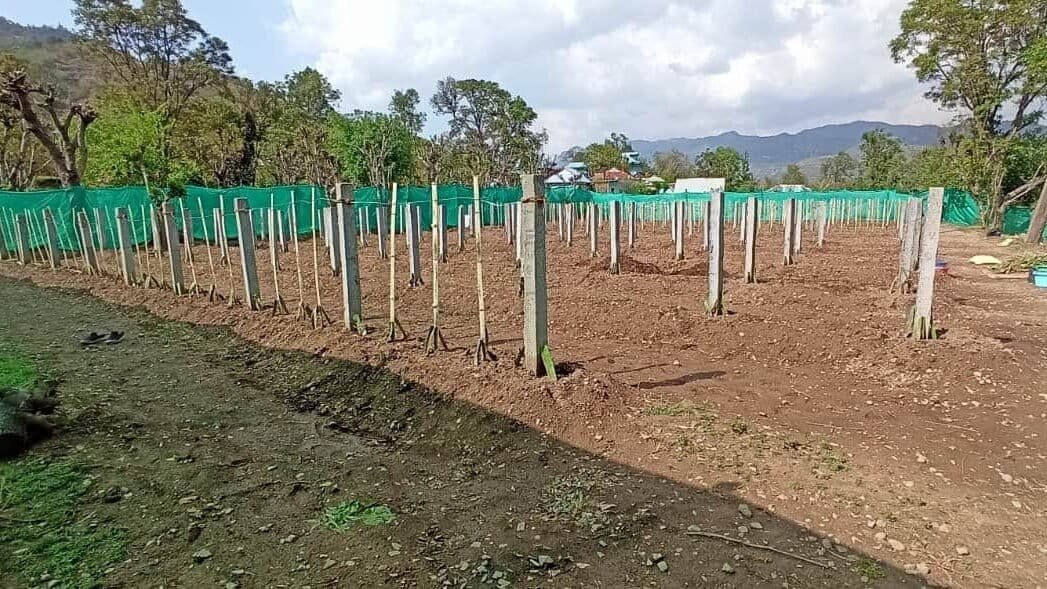
Choosing the right location is one of the decisions you cannot easily change later. Before selecting land, look at the type of soil, natural airflow, sunlight exposure, and the maximum and minimum temperatures in the area.
The location should receive good sunlight and have proper air movement. You should also check whether the field is at risk of flooding during heavy rainfall. Waterlogging can create serious problems for dragon fruit cultivation in India, especially during the rainy season.
Do not choose a location for dragon fruit cultivation or only because land is available there. Observe the area carefully, understand its climate and drainage conditions, and then decide whether it is genuinely suitable for a long-term dragon fruit farm.
Select the Right Dragon Fruit Variety
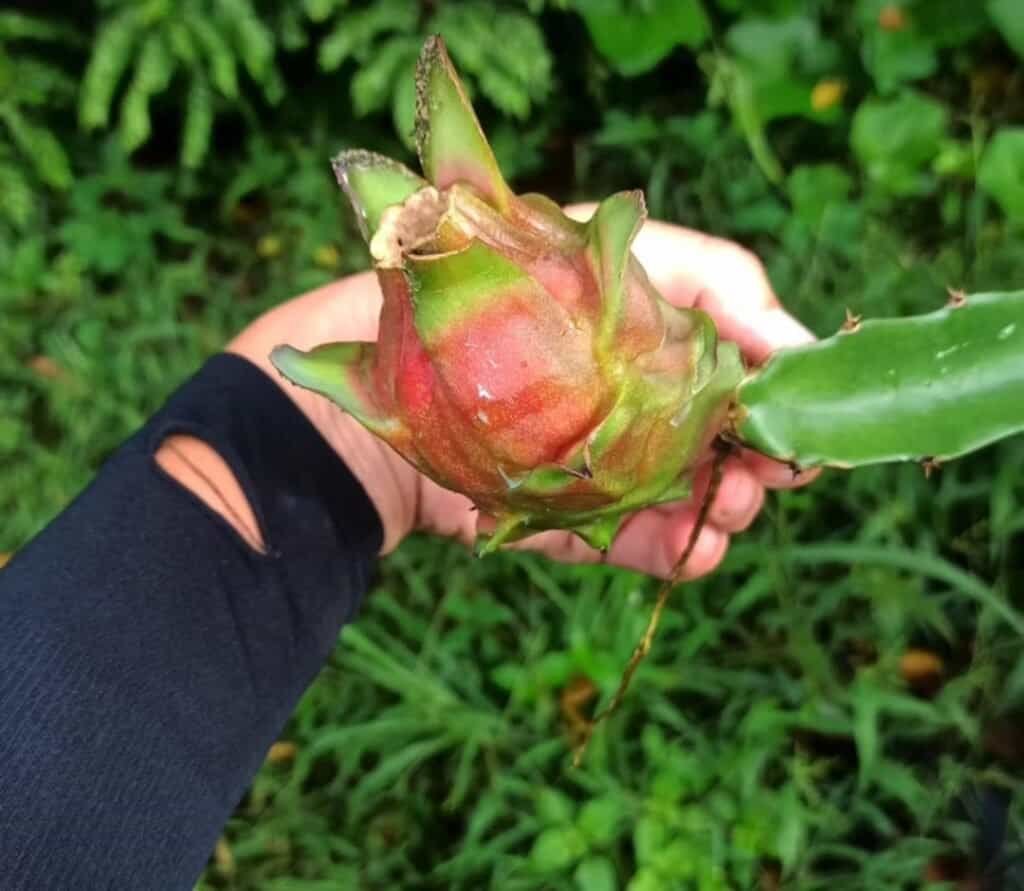
Before planting a large number of dragon fruit plants, always test the varieties in your own area. We made the mistake of directly purchasing plants and planting them without properly testing them first. Later, we understood that different varieties can perform differently depending on the local climate and growing conditions.
Every variety may have its own advantages, but the important question is: which variety performs best in your area? Start with two or three varieties, observe their growth, flowering, fruit quality, and taste for at least one season, and then decide which plants to grow on a larger scale.
Do not choose plants only because they are cheap. A healthy, genuine plant is ultimately what will produce your future crop. If possible, visit farms, taste the fruit yourself, and buy planting material from reliable growers rather than blindly trusting every nursery.
Decide Your Farm Size and Budget
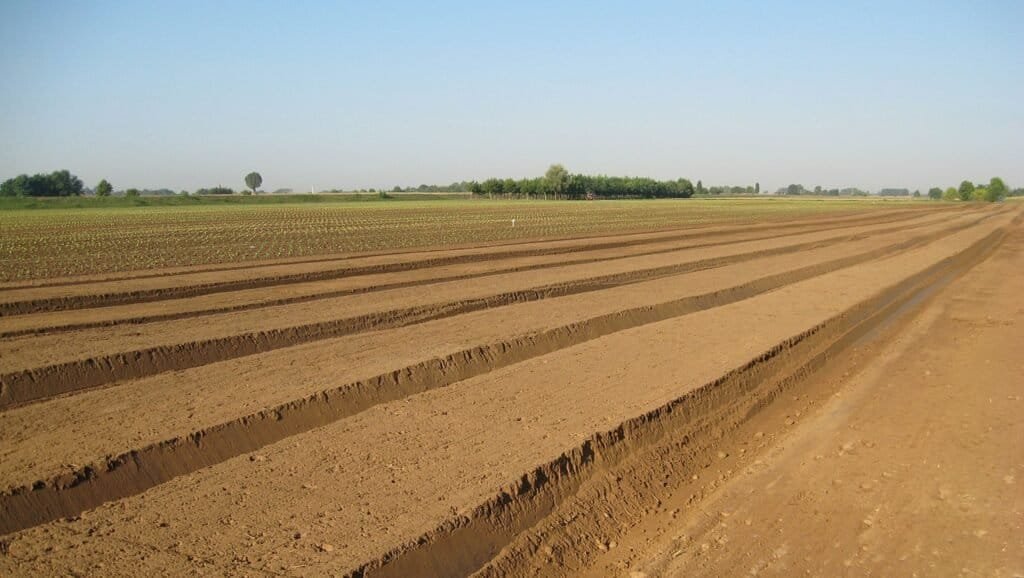
dragon fruit cultivation in India can require a significant investment because several things need to be arranged from the beginning, including the support structure, plants, irrigation, mulch, fertilizers, and crop protection products. Many farmers try to install everything at once, but this is not always practical.
A better approach is to plan your budget for at least the first 18 months. Start with an area that you can properly manage and take care of instead of planting more plants than your budget allows. If you invest too much in planting but cannot properly provide irrigation, fertilizers, or other necessary care later, the farm can suffer.
Start small if necessary, manage the plants properly, and gradually expand the farm as you begin earning from the crop.
Purchase Healthy Dragon Fruit Planting Material
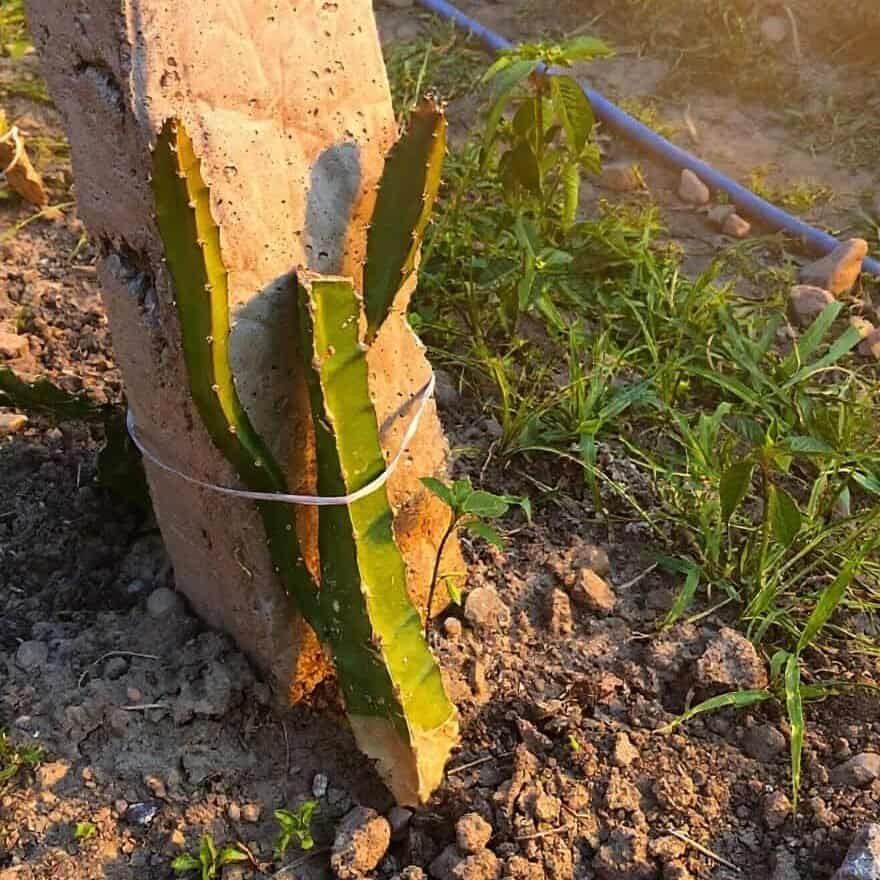
Purchase Healthy Dragon Fruit Planting Material
This is one area where cutting corners can cost you for years to come. The quality of your planting material directly affects how well your farm performs down the line, so trying to save a few rupees by buying the cheapest plants available is rarely a good idea. Many new growers make this mistake — they buy immature or weak plants, only to run into serious problems later when those plants fail to grow properly or refuse to flower on time.
So how do you avoid this? Before buying in bulk, it’s worth the extra effort to visit the farm where the plants were actually grown. If possible, taste the fruit yourself and observe how the mother plants are performing before you commit to a large purchase. In fact, buying directly from experienced farmers can often work out better than buying from a nursery that sources plants from multiple, unknown places.
A few things to keep in mind before you buy:
- Visit the source farm whenever possible instead of buying blind
- Taste the fruit and check plant health before purchasing in bulk
- Prefer experienced farmers over nurseries with mixed or unclear sourcing
- Choose mature, healthy planting material over cheaper, immature options
- Don’t go purely by price — the cheapest plants often turn out to be the most expensive mistake
Yes, good planting material may cost you a little more upfront. But that small extra investment can save you from years of poor growth, delayed flowering, and disappointing yields — problems that are far more expensive to fix later than to avoid in the first place.
At the end of the day, your dragon fruit farm is only as strong as the plants you start with. Choose wisely, and the rest of your journey becomes a lot smoother.
Planting Dragon Fruit: Basic Steps for Beginners
Once you have selected a suitable field and healthy planting material, the next step is proper planting. Before planting, make sure the support structure is strong and properly installed because the plant will depend on it for many years.
Plant the dragon fruit cuttings or plants at the correct depth and secure them properly to the support system. Avoid overcrowding the plants, as proper spacing allows better sunlight and air movement.
Do not rush the planting process just because the plants have arrived. Make sure the field, support system, irrigation, and mulch are ready first. A good start makes future farm management much easier.
Plan Irrigation and Water Management
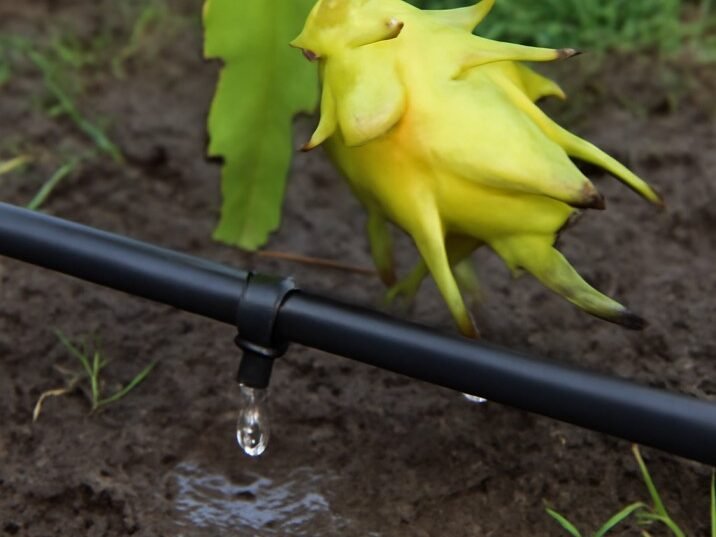
Water management is one of those things you should plan before you even plant your first sapling — not something you figure out after problems show up. dragon fruit cultivation in india needs consistent moisture to grow well, but here’s the tricky part: too much water can be just as damaging as too little, especially during the monsoon season.
Most experienced growers rely on drip irrigation, and for good reason. It delivers water directly to the root zone in a slow, controlled manner, which means less wastage and more precision. But even drip irrigation isn’t something you can set on autopilot. Your watering schedule should always be based on your soil type, current weather conditions, and the plant’s growth stage — not a fixed routine you follow blindly regardless of what’s happening around you.
A few things worth keeping in mind:
- Use drip irrigation for controlled, targeted watering near the root zone
- Avoid fixed schedules — adjust watering based on soil moisture, weather, and plant stage
- Ensure proper drainage so excess rainwater doesn’t collect around the plants
- Watch out for waterlogging, especially during heavy rains, as it can seriously damage the roots
- Balance is key — underwatering stresses the plant, but overwatering invites disease
Good drainage deserves just as much attention as irrigation itself. Waterlogged soil suffocates the roots and creates the perfect environment for fungal diseases and root rot to set in. So while you’re busy making sure your plants get enough water, don’t forget to also plan how excess water will safely drain away from the field.
At the end of the day, smart water management isn’t about watering more or less — it’s about watering right, based on what your farm is actually telling you.
Understand Basic Fertilizer Requirements
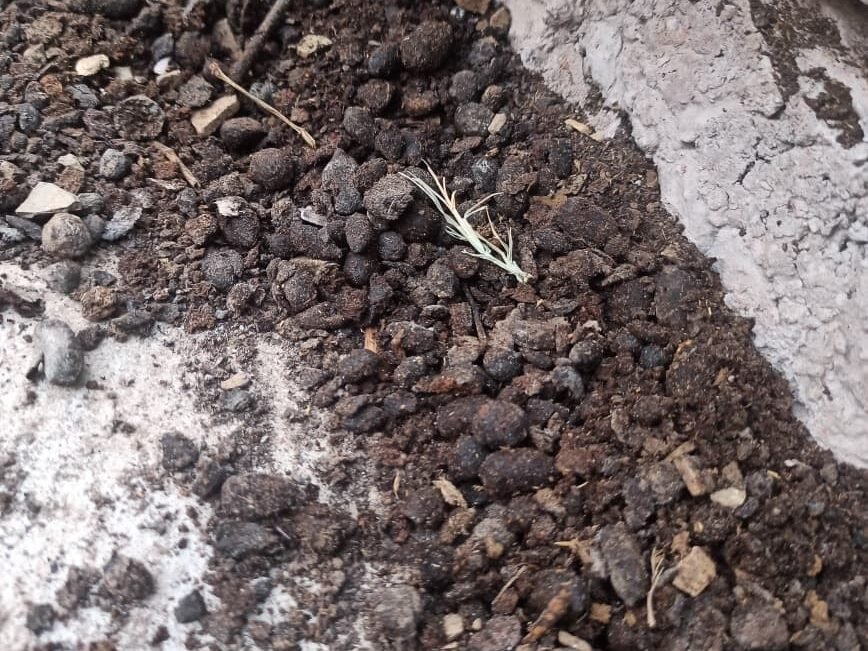
One mistake almost every beginner makes is treating fertilizer like a one-size-fits-all solution. But dragon fruit doesn’t need the same nutrients throughout the year — its requirements keep changing depending on the growth stage. What works during active growth won’t necessarily work during flowering, fruit development, or winter dormancy.
A lot of new farmers assume that regularly applying cow manure or a general-purpose fertilizer is good enough to keep the plant healthy. And while organic manure definitely has its place, it shouldn’t be the only thing your nutrition plan relies on. Dragon fruit needs a more thoughtful approach — one where you understand exactly what the plant requires at each stage and feed it accordingly.
Here’s a simple way to think about it:
- Growing period – focus shifts toward building strong vines and healthy vegetative growth
- Flowering stage – nutrient needs change to support bud formation and blooming
- Fruit development – the plant requires different nutrition to support fruit size and quality
- Winter dormancy – growth slows down, and feeding requirements drop accordingly
Instead of applying fertilizers randomly or “because everyone else is doing it,” it’s far more effective to get a proper soil test done and observe your plants regularly. This tells you exactly what’s missing and what’s already sufficient in your soil — helping you make smarter, more targeted fertilizer decisions rather than guessing.
In short, good fertilizer management isn’t about doing more — it’s about doing it at the right time, in the right amount, based on what your plant actually needs.
How to Manage the Farm During the First Year
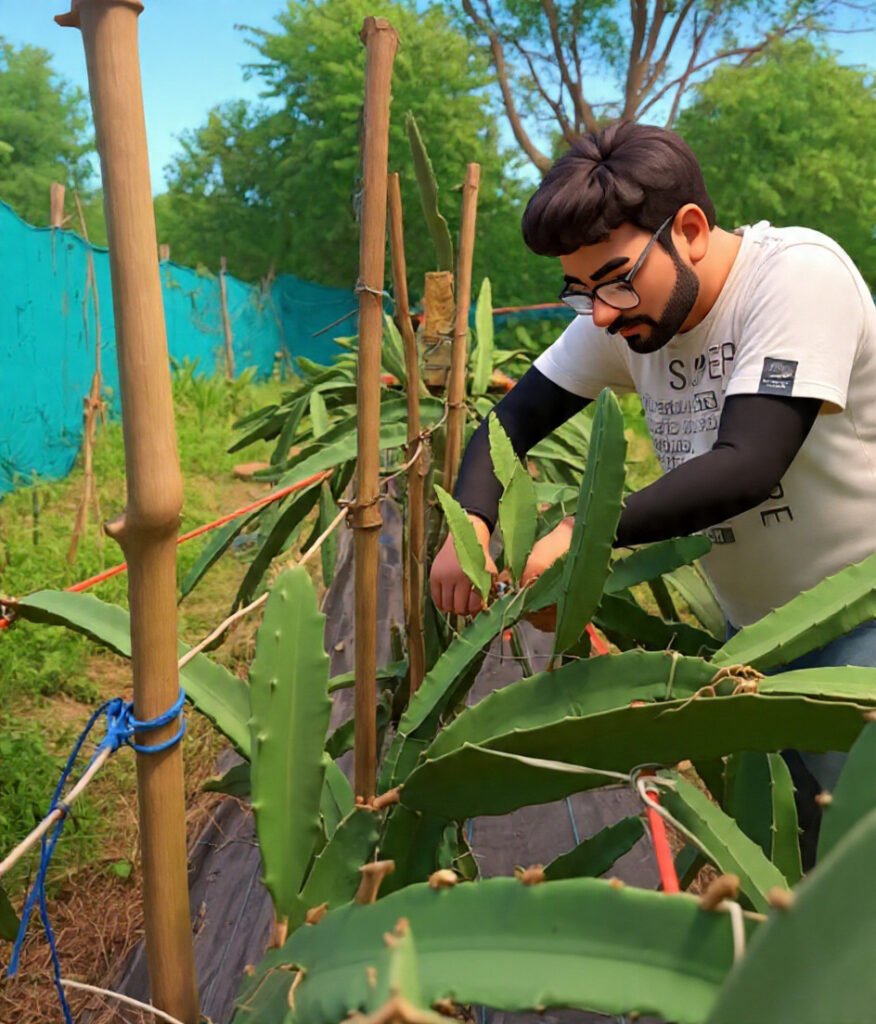
The first year of dragon fruit farming isn’t about rushing toward an early harvest — it’s about giving your plants the best possible start. Think of it as laying the foundation of a house. If the roots are strong and the plant is healthy, everything that comes after — flowering, fruiting, yield — becomes so much easier.
During this stage, your main focus should be on helping the plant establish a solid root system, grow healthy branches, and maintain steady, consistent growth. Skipping this step or rushing it just to see early fruit can actually hurt your plant’s long-term productivity.
Here’s what you should be keeping an eye on:
- Monitor regularly for pests, diseases, weeds, and early signs of nutrient deficiency
- Keep the farm clean — weeds and debris attract pests and compete for nutrients
- Manage irrigation carefully — dragon fruit doesn’t like waterlogging, but it still needs consistent moisture
- Feed the plant according to its growth stage — young plants need different nutrition than mature ones
- Address small issues immediately — a minor pest problem today can turn into a major crop loss tomorrow
It’s easy to overlook small problems in the first year, especially when there’s no fruit yet to worry about. But this is exactly the stage where prevention is far cheaper — and far easier — than fixing damage later on.
A little patience and consistent care in year one pays off big time. A well-established, healthy dragon fruit plant sets you up for stronger, more reliable harvests in the years that follow.
FAQ
Q1- Which fertilizer is best for dragon fruit?
Ans- In dragon fruit cultivation A balanced fertilizer program with compost/manure, nitrogen during vegetative growth, and more phosphorus and potassium during flowering and fruit development works best.
Q2- How many dragon fruits grow on one plant?
Ans- A mature, healthy plant can produce around 20–50 fruits or more per season, depending on variety and management.
Q3- How much profit is in dragon fruit farming?
Ans- Profit depends on yield, market price, and costs, but a well-managed mature farm can be highly profitable.
Q4- How many fruit plants per acre?
Ans- Depending on the planting system, around 1,000–2,000 dragon fruit plants can be planted per acre.
Q5- What is a 2-acre yield of red dragon fruit per annum?
Ans- mature 2-acre farm can produce approximately 8–15 tonnes annually, depending on management and plant age.
Q6- How many dragon fruits are in 1 acre?
Ans- One acre can produce approximately 4–8 tonnes of fruit annually after the plants reach full production.
Q7- When to avoid dragon fruit?
Ans- Avoid planting dragon fruit in areas with waterlogging, severe frost, or prolonged extreme cold.
Q8- How to grow dragon fruit quickly?
Ans- Use healthy cuttings, proper sunlight, good drainage, irrigation, balanced nutrition, and regular training and pruning.
Q9- Is dragon fruit farming profitable?
Ans- Yes, dragon fruit farming can be profitable when the farm has good yield, quality fruit, and reliable market access.
Q10- What is the lifespan of a dragon fruit plant?
Ans- A well-maintained dragon fruit plant can remain productive for 20–30 years or more.
Q11- What is the cost of 1 kg of dragon fruit?
Ans- The price varies by season, variety, and location, but retail prices in India commonly range from ₹80 to ₹250 or more per kg.
Q12- What is the fastest way to grow dragon fruit?
Ans- Plant healthy mature cuttings in well-drained soil with strong support, proper irrigation, sunlight, and balanced fertilization.
Q13- Is it better to grow dragon fruit in pots or in the ground?
Ans- Growing in the ground is generally better for commercial farming, while pots are suitable for homes and small spaces.
Q14- When fertilizer is best for dragon fruit?
Ans- Fertilizer should be applied according to the growth stage, with different nutrients used during vegetative growth, flowering, and fruit development.
Q15- How long does dragon fruit take to grow fruit?
Ans- Dragon fruit grown from cuttings can start producing fruit in around 1–2 years, with better production as the plant matures.
Q16- How many months will dragon fruit grow?
Ans- Dragon fruit grows actively during the warm season, while the main fruiting season generally lasts several months.
Q17- How fast does dragon fruit grow?
Ans- Under good conditions, dragon fruit grows quickly and can produce several feet of new growth during the active growing season.
Q18- Which fruit grows the fastest?
Ans- Dragon fruit is among the faster-growing perennial fruit crops when grown from healthy cuttings under suitable conditions.
Q19- How do I make my dragon fruit grow faster?
Ans- Provide adequate sunlight, well-drained soil, proper irrigation, support, balanced fertilizer, and regular pruning.
Q20- Does dragon fruit need full sun?
Ans- Yes, dragon fruit grows best with plenty of sunlight, although protection from extreme heat can help prevent sun stress.
Q21- Are dragon fruits difficult to grow?
Ans- No, Dragon fruit cultivation is relatively easy to grow if drainage, support, sunlight, irrigation, and pruning are properly managed.
Q22- Why do I feel dizzy after eating dragon fruit?
Ans- Dizziness after eating dragon fruit is not typical and may have other causes; if it happens repeatedly, consult a healthcare professional.